Your Cart is Empty

Recycled gold is the jewelry industry’s favorite buzzword. It’s marketed as the ethical gold standard, the answer to mining’s dirty reputation. Use recycled gold, and poof! No more mercury poisoning, deforestation, or exploitative labor. At least, that’s what they want you to believe.
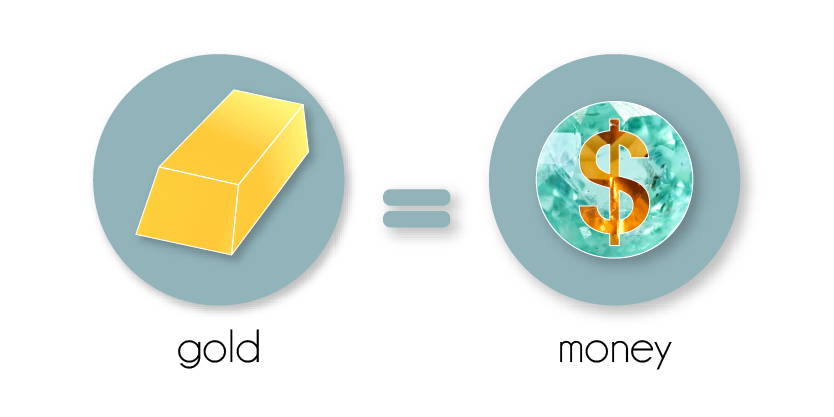
The truth? Recycled gold changes nothing on the ground. Gold is money. And as long as gold has value, people will keep mining it. No amount of recycling will stop that.
So what exactly is recycled gold? It turns out, the definition is incredibly vague, leaving room for major loopholes. Different organizations define it differently, making it easy for brands to cherry-pick a definition that suits their marketing needs.
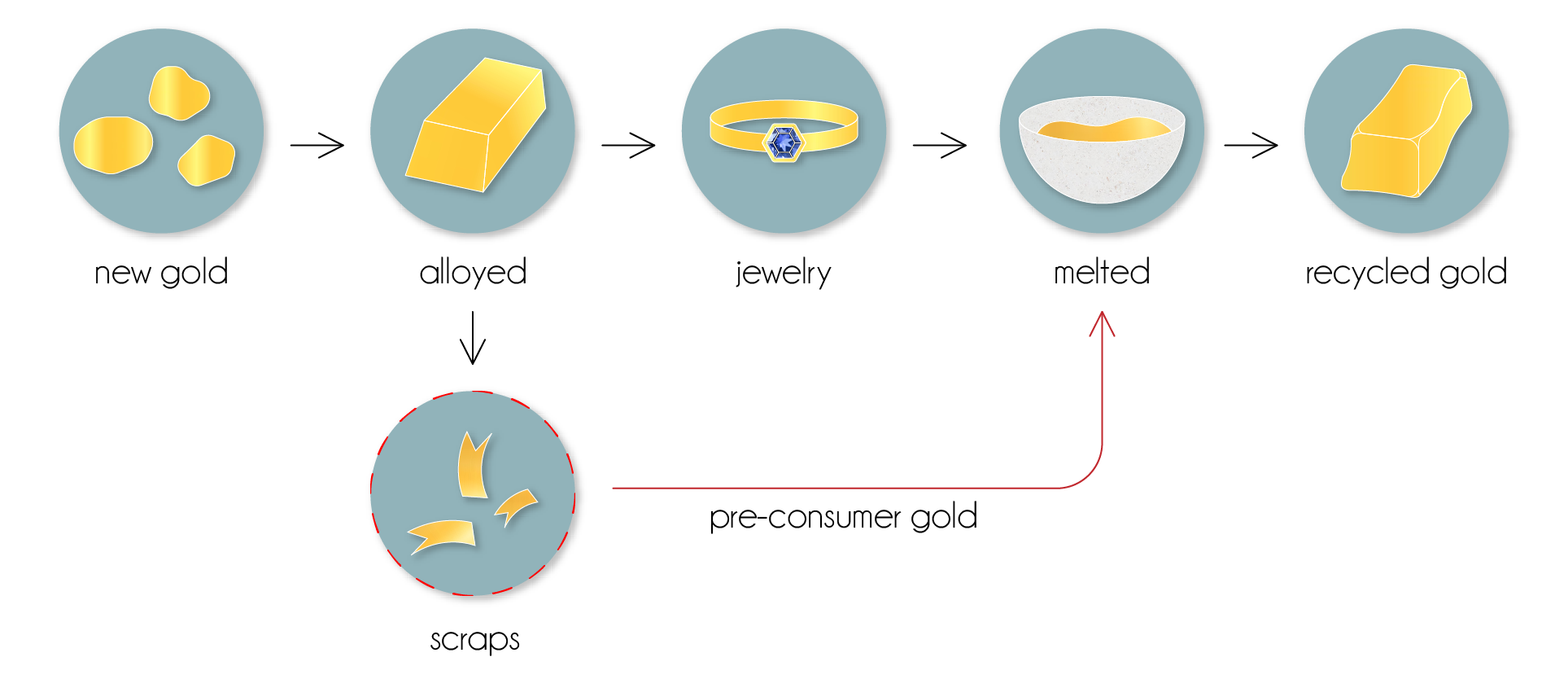
See the problem? Under this definition, a freshly mined gold bar that sits in a bank vault for a few months, then gets sold to a refinery, can suddenly be labeled as recycled the moment it’s melted down. It never entered a landfill. It was never wasted. It’s a loophole big enough to drive a mining truck through.
Recycled gold jewelry brands love to say that using recycled gold reduces the demand for newly mined gold. But gold isn’t mined for jewelry. It’s mined for money. Gold is an investment asset, a hedge against inflation, a financial safe haven. People mine gold because they can sell it, not because jewelers need it.
That being said, jewelry is a huge part of the demand for gold. Nearly 50% of all gold is used for jewelry. But that doesn’t mean mining happens because of the jewelry industry. It happens because gold has monetary value. As long as gold remains an asset, it will be mined, regardless of how many brands claim they’re saving the planet by recycling it.
Even if a jeweler only uses recycled gold, mining doesn’t stop. Gold mining continues at the same pace, and the emissions from gold mining shift to other industries, like finance and technology. That jeweler has merely removed emissions from their own supply chain, while everything else stays the same. As long as mining gold makes money, people will mine it. And as long as recycling gold makes money, people will recycle it. The cycle continues, unchanged, while brands pat themselves on the back for doing "better."
The jewelry industry conveniently forgets to tell you that a huge portion of "recycled" gold comes from manufacturing scraps. That means newly mined gold can be melted down, rebranded as recycled, and sold with a shiny green halo.
Think about it: a major jewelry manufacturer buys freshly mined gold, produces jewelry, and melts down excess scraps. Through gold recycling, those scraps are classified as recycled gold, even if the gold was mined just weeks before. This is not a closed-loop system. It’s a clever rebranding of brand new gold as something more palatable.
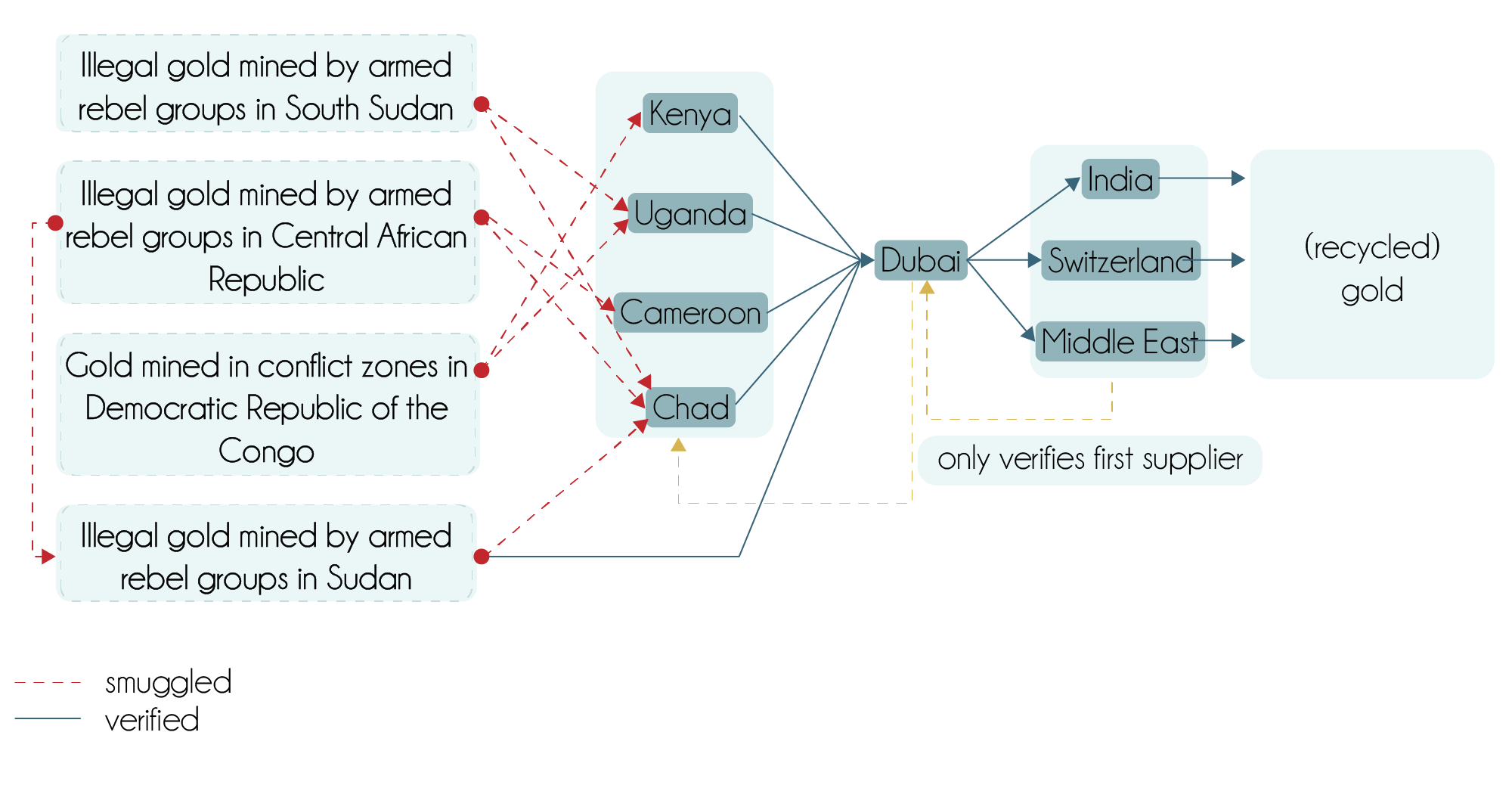
There’s also the issue of how gold enters the recycled supply chain. Many refineries only verify their sources up to the first supplier. Beyond that? It’s a black hole. This creates a perfect money laundering mechanism: gold from conflict zones, high risk gold from smugglers, gold mined using child labor, gold extracted with toxic mercury. Once it enters the system, it’s indistinguishable from gold that was truly recycled from old jewelry.
We believe in real change, not just feel-good marketing. That means tackling the root of the problem, not just avoiding it. Here’s what we’re doing:
We work with small scale miners who have adopted mercury free mining practices. Instead of turning our backs on them, we invest in making mining safer and more sustainable.
We want to know exactly where our gold comes from. That’s why we prioritize fully traceable gold over generic "recycled" gold with zero provenance.
Yes, we will help you recycle your heirloom jewelry. Yes, we do use recycled silver. But not as a blanket excuse to ignore mining.
We’re advocating for better mining practices, supporting miners in transitioning to safer methods, and ensuring fair wages. Real impact comes from engaging with it and making it better.
Recycled gold is fine, but it’s the bare minimum. It doesn’t fix gold mining. It doesn’t reduce mining. And it sure as hell doesn’t help the people at the bottom of the supply chain. If a brand claims their recycled gold jewelry is "ethical" without doing anything to support responsible mining, they’re just greenwashing.
At Gardens of the Sun, we’re doing more than taking the easy way out. We’re fighting for a jewelry industry that’s actually ethical, not just in marketing, but in reality. Want to be part of the change?


