Your Cart is Empty

Citrine is your November birthstone, and it’s a bright one. This golden girl glows with the warm color of sunshine and lives up to her look. She’s the stone of abundance, joy, health, and confidence. If you’re wondering what the November birthstone means, think happiness with a purpose. Citrine is a yellow birthstone that tells you to want more, go for more, and laugh along the way.
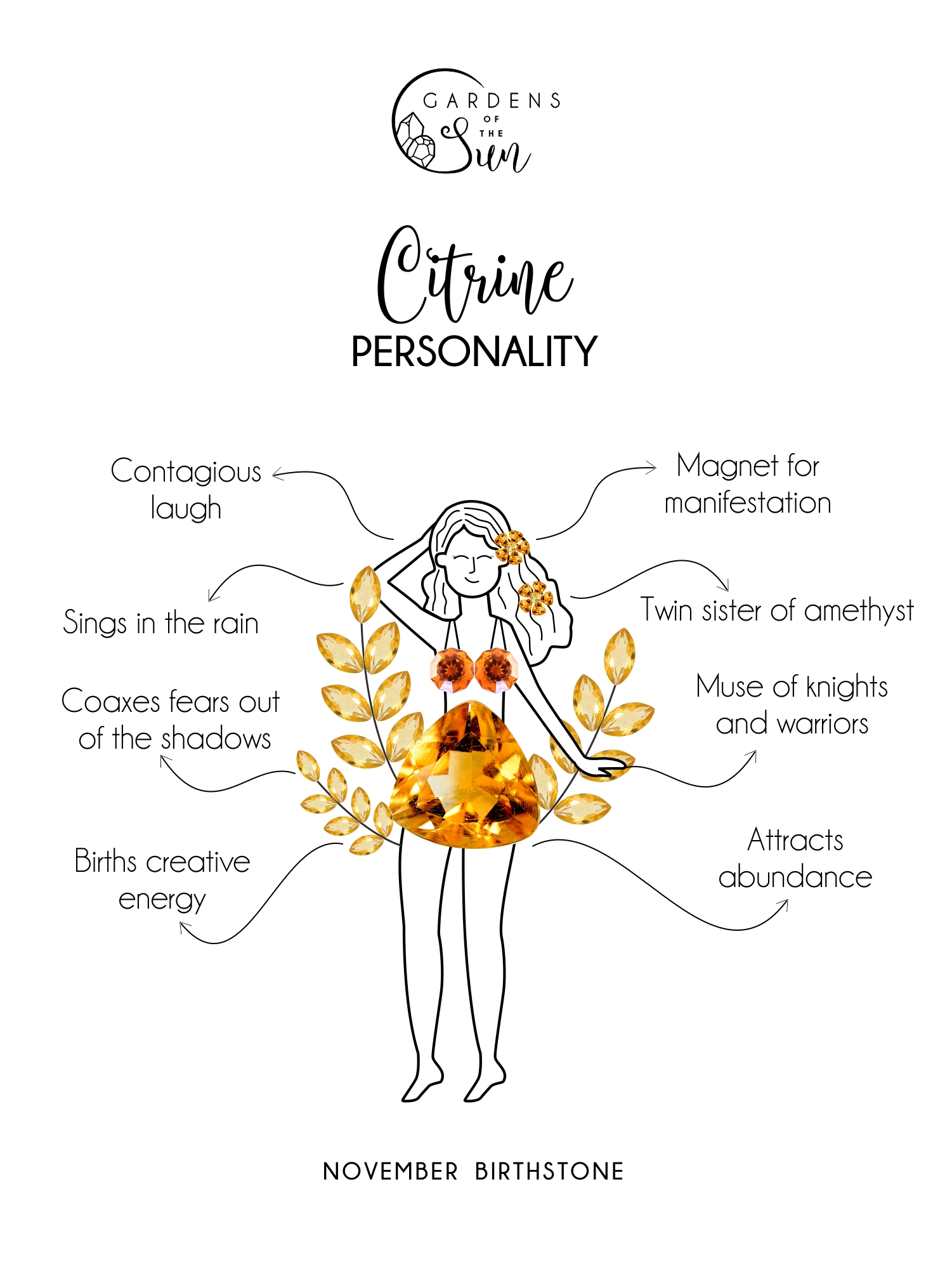
Citrine is a magnet for manifestation.
What you wish, you will, so you do and then you be.

Live the life you’ve always wanted. Thus spoke the magic of citrine.
Coaxing inspiration and enlightenment from the nooks and crannies, the darkest and hardest to reach corners; it takes a drop of citrine’s light.
This golden girl glows like honey, warm and sweet but with a zing of wham bam thank-you ma’am. It gets the job done, bum bum. And with just the right amount of humor.
Citrine sparkles yellow with health and abundance.
It masters the art of more, without going over the top. It lets you live long and prosper, in life, love, and everything in between. They used to call it “The Merchant’s Stone”, and with good reason.
It’s a stone that lights the fire, tends to it even in the wind, and lets it burn bright to shine the way for others.
Like many other rocks, citrine was formed deep in the Earth’s belly. So you see how this gem has been through heat and fire, cradled by lava as she cruised the Earth’s crust.
Namesake: the French citron, meaning “lemon”
This powerful crystal is often found sharing the nest with amethyst, the purple variety of quartz.
Amethyst and citrine are more similar than you think - the two of them share the same molecular structure, with a difference only in oxidation level. You can even find stones that feature both the lovely warm tones of citrine, and the vibrant purple tones of amethyst - these unique stones are known as ametrine. A blend of the two sister stones.
While rubies and sapphires were the stones of royalty, citrine was the talisman of the knights and warriors. You’d see them embellished into swords and daggers because citrine was believed to guard you from dark magic. Or gloomy hearts and moody days.
Big dreams, whole hearts, these are what citrine is made of. It’s a happy rock.
It sings in the rain, makes angels in the snow, snuggles in a storm, glows in the dark, dances with wolves and fears, shines through the tears, brings sexy back, is the life of the party, breakdances in case of emergency, rolls with the hustle, radiates with the vigor of the universe with all its moons and stars aligned.
Citrine tells you, “You got this,” but most of all, it reminds you that actually, you had it all along.
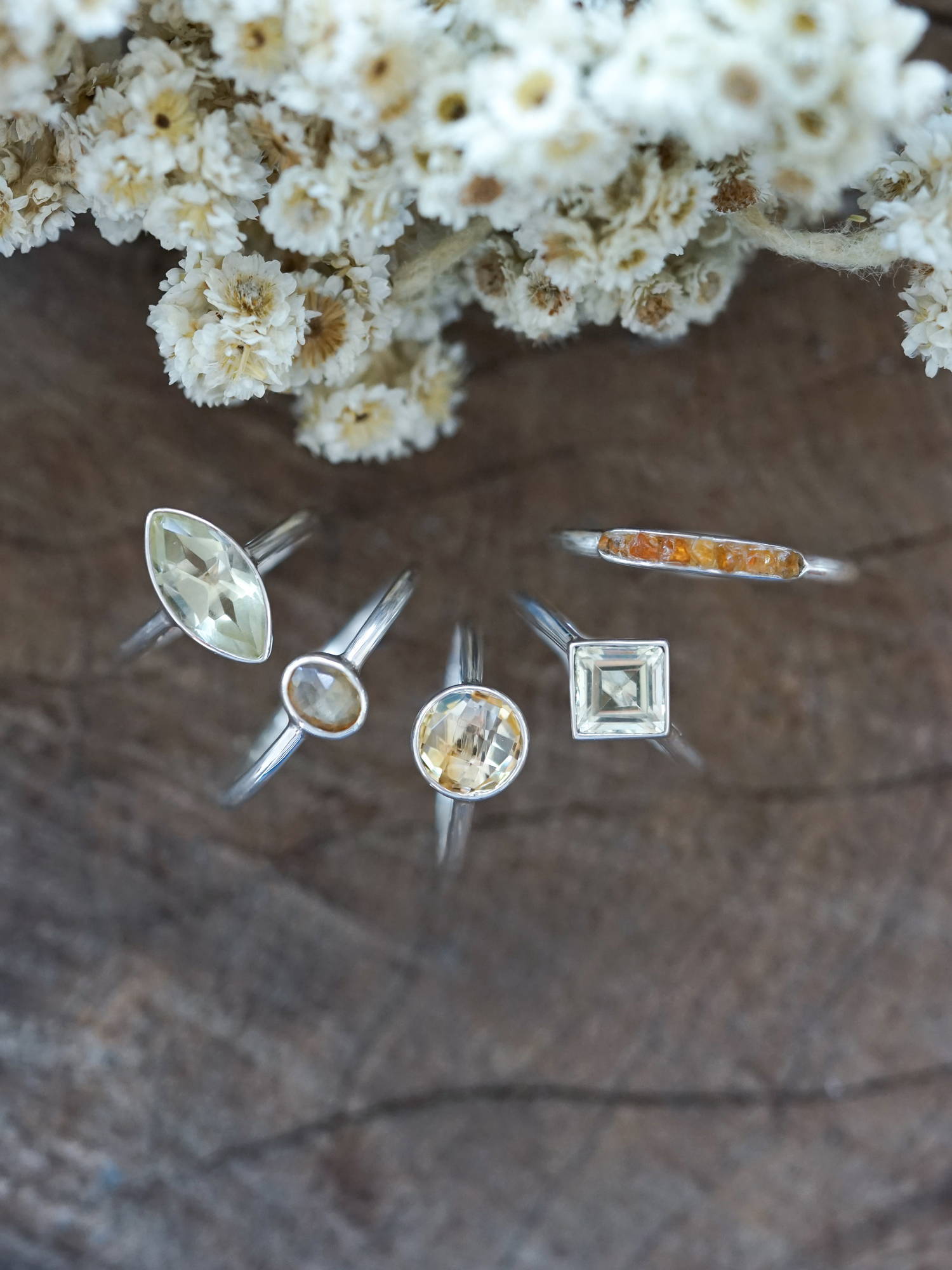
Birthstone for: November
Citrine zodiac sign: Citrine is also one of the zodiac birthstones for Gemini, Leo, and Scorpio. For Gemini, citrine helps calm the mind and bring clarity when the thoughts won’t stop spinning. For Leo, it boosts creative expression and confidence (and there’s already plenty of that). And for Scorpio, citrine invites light in, easing intensity and making space for joy.
Alternative birthstone for November: Topaz
Topaz is the alternative November birthstone, and it’s anything but second best. With a dazzling range of colors from golden yellow to icy blue, topaz is a gemstone of clarity, generosity and truth. Where citrine warms you up, topaz cools you down. It brings calm, balances emotions, and helps you speak your truth with compassion. In ancient times, it was believed to drive away sadness and strengthen the intellect. A different vibe than citrine, but just as powerful.
Blue topaz tends to steal the spotlight, but imperial topaz (a golden orange variety) is the one most traditionally associated with November. Whether you’re drawn to topaz for its soothing energy, color variety or deeper meaning, it’s a worthy gemstone to mark your birth month or any major life moment. Think of it as citrine’s cooler toned cousin, bringing light in a slightly different shade.
Citrine chakra:
The fourth chakra - the Solar Plexus or Manipura chakra.
Here is the center for your creative willpower and self esteem; the source of energy to fulfill your wildest dreams. Use citrine whenever you’re feeling sluggish (or when you’ve been indoor too much!) to lighten things up and help you move forward.
The seventh chakra - the Crown chakra or the sahasrāra chakra.
Just like the sun, the Crown chakra is where the source of life flows from. A healthy crown chakra allows natural cleansing of the mind and keeps us with a healthy sense of self.
How citrine fits into your life:
Birthstone for November
Cancer
Your darling on your 17th anniversary
New moms
Your business partner
November vixens
Citrine meaning and vibes
The citrine birthstone meaning starts with joy. This is a feel good stone, known for its ability to boost optimism, creativity and abundance. The citrine gemstone meaning is tied to the kind of success you create with vision, clarity and confidence.
In ancient times, citrine was believed to protect against negative energy and bring wealth. That’s why it was called "The Merchant’s Stone". Its bright yellow color was linked to the sun and all the life it brings. Citrine gemstone properties include increasing energy, attracting prosperity, and lifting your mood when you need it most.
Health
Inspiration
Abundance
Creativity
Confidence
Happiness
Stamina and energy
Light-heartedness
Joy
Use citrine for:
Getting it, all of it
Starting a new business
Brainstorming
Moving forward
Getting infectiously happy
Finding a fulfilling job or activity
Rolling deep
Becoming super human
Living your dream
Natural citrine is quite the phenomena.
This popular yellow crystal mostly comes in a more translucent color of greenish yellow. A deeper yellow shade of citrine can be found dotting Russia’s mountainous range. Heated or not, citrine is a joyful thing.
Our citrines are sourced from:
Brazil, USA
Love the look of citrines in their raw form?
Check out our Rough Citrine Rings with Hidden Gems.
Tough Love level:
Citrine ranks 7 on Mohs scale of hardness with ‘good’ toughness. This means citrine can withstand daily wear. Citrine doesn’t scratch or break easily, making it a good gemstone to choose for your everyday ring.
Common citrine treatments:
Heat treatment. Citrine’s color is often achieved by heat treating quartz. For your daily use, avoid prolonged exposure to intense light as its color can fade.
Cleaning, care, and caution for citrine:
Use warm, soapy water to clean your citrine, preferably made from natural ingredients, like our lerak jewelry wash. Ultrasonic cleaner is generally fine to use except if your citrine is dyed or treated by fracture filling. We don’t recommend using steam cleaning since its color might fade.
What color is citrine birthstone? Most people picture a warm, honey yellow, but citrine gemstone colors range from super pale lemon to deep amber. There’s a light citrus yellow, golden citrine (orange yellow), Madeira citrine (a deep, sunset orange), and Palmeria citrine (rich amber brown). These are just a few of the citrine colors you’ll find.
Citrine is a type of quartz crystal, which means it forms in the Earth’s crust and has a crystalline structure.
Pale Citrine
A super pale, lightly tinted citrine, that's almost colorless.
Lemon Quartz Citrine
A cool shade of yellow, a light citrusy color without any reddish or brownish tints. It's often irradiated to achieve this color.
Golden Citrine
A deep orange yellow color, straddling the line between light and dark.
Palmeria Citrine
An orange-amber color with brownish tones, super rich and warm.
Madeira Citrine
A natural highly saturated orange hue, like the color of sunset.
Ametrine
Showing off the sisterhood between citrine and amethyst, ametrine shows a blend of citrine's yellow and amethyst's purple.
What's the difference between citrine and lemon quartz? Or are they the same?
Both are yellow varieties of quartz, part of the same mineral family. What sets them apart is how they became yellow, and the tone and saturation of their color.
Citrine can be natural (which is rare) or heat treated. It tends to have a warm, golden yellow to amber or orangey tone. Think of citrine as a deeper, toastier yellow, like sunlight steeped in honey.
Lemon quartz, on the other hand, is usually created through irradiation, sometimes followed by heat treatment, which gives it that bright, lemony yellow with a cooler or even slightly greenish tone. It’s not a color found in nature, and the treatment alters the molecular structure of the quartz. While it’s stable, permanent, and totally safe to wear (yes, even according to the Nuclear Regulatory Commission), some believe that the energy and healing properties of lemon quartz differ from citrine because of this man-made transformation.
If you're drawn to natural energy, citrine is the one to look for.
Natural lemon quartz (untreated and lemon-yellow in color) would technically be considered citrine, but it’s extremely rare. Most of what’s sold as lemon quartz is irradiated.
So when in doubt, look at the tone. Citrine usually glows with golden warmth, while lemon quartz pops with bright citrus zing. Same family, different journeys.
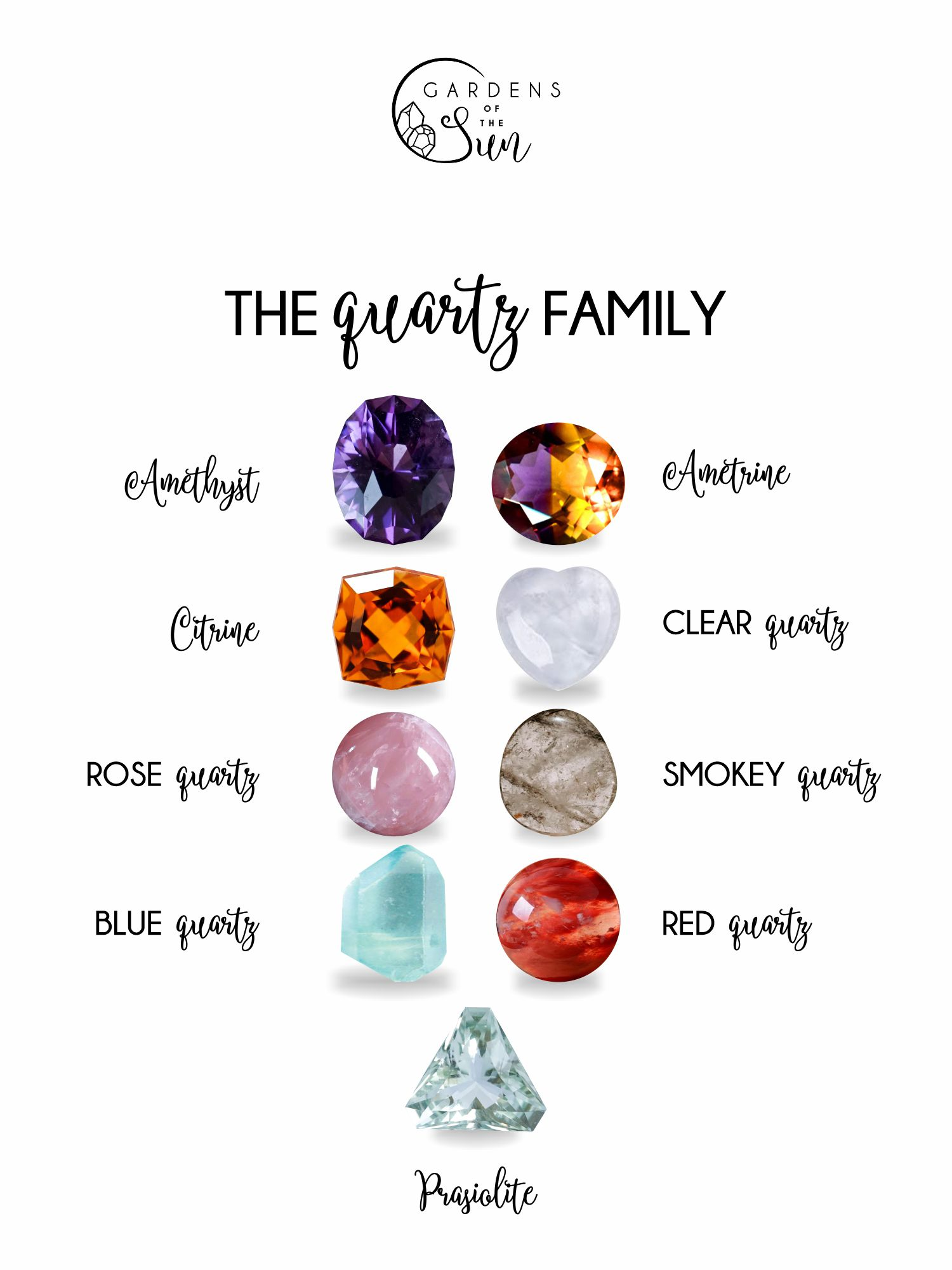
Citrine is part of thequartz family, a group that includes amethyst, smoky quartz and rose quartz. Quartz is one of the most abundant minerals on Earth, found in everything from mountain ranges to sand. Citrine gets its yellow color from iron, and it can form naturally or be heat treated from amethyst.
Fun fact: citrine and amethyst are so closely related that sometimes both colors appear in the same stone. This mix is called ametrine.
Was your citrine once an amethyst?
Most citrine on the market today isn’t born golden. It’s actually amethyst that’s been heat treated to turn yellow. That soft purple gem and this sunny yellow one are chemically the same stone: quartz.
When amethyst is exposed to high temperatures, either deep in the earth over time (hello, natural citrine) or by humans in a controlled setting, its iron content changes and the color shifts from violet to yellow, orange or amber. The natural heating process takes millennia, while heat treatment speeds things up, which is why most citrine you’ll find is baked amethyst.