Your Cart is Empty

Updated November 2025
You want that clean white metal look for your wedding band or engagement ring, and suddenly you’re swimming in tabs about silver and white gold. They look similar at first glance, but they behave very differently once you start wearing them every day, washing dishes, or digging through your bag for keys and half melted crayons.
Silver keeps things budget friendly and cool toned. White gold costs more, holds its shape longer and stands up better to daily life. Both have their charm, their chores and their own version of growing old gracefully. One fits casual wear, the other handles decades of love letters, handwashing and the occasional sprint through an unexpected rainstorm.
This guide is for you if you’re torn between silver or white gold for your engagement ring, wedding ring or jewelry in general. We take a deep dive into the difference between white gold and silver, so you can decide which metal belongs on your hand.
TLDR; Which metal is best for you?
Choose silver if you want a budget friendly ring, plan to wear it gently and aren’t pairing it with valuable gemstones or diamonds. It’ll serve you well for a decade or two.
Choose white gold if you want a ring for daily life, you’re setting a precious gemstone or diamond or you want heirloom durability.

White gold is a gold alloy made from gold with a mix of zinc, silver, nickel, palladium and copper (the exact mix tends to vary for different jewelers).
Pure gold has a very rich and intense yellow color, so a mix of metals are needed to alter its finished look. This alloy make it less yellow and more pale.
Other metals in white gold give it durability and color.
Gold on its own can’t be made into jewelry, because it’s a very soft metal (bite it and it’ll have teeth marks!).
One thing to know: not all white gold is created equal. Ours is traceable and nickel free, made from mercury free gold mined by indigenous women in Indonesia.

Silver is a metal which is found alongside other metals and has a natural white metal look.
Similar to gold, silver is a soft and brittle metal.
It doesn't need the addition of other metals to adjust the color. Pure silver does, however, need to be alloyed with other metals for strength and durability.
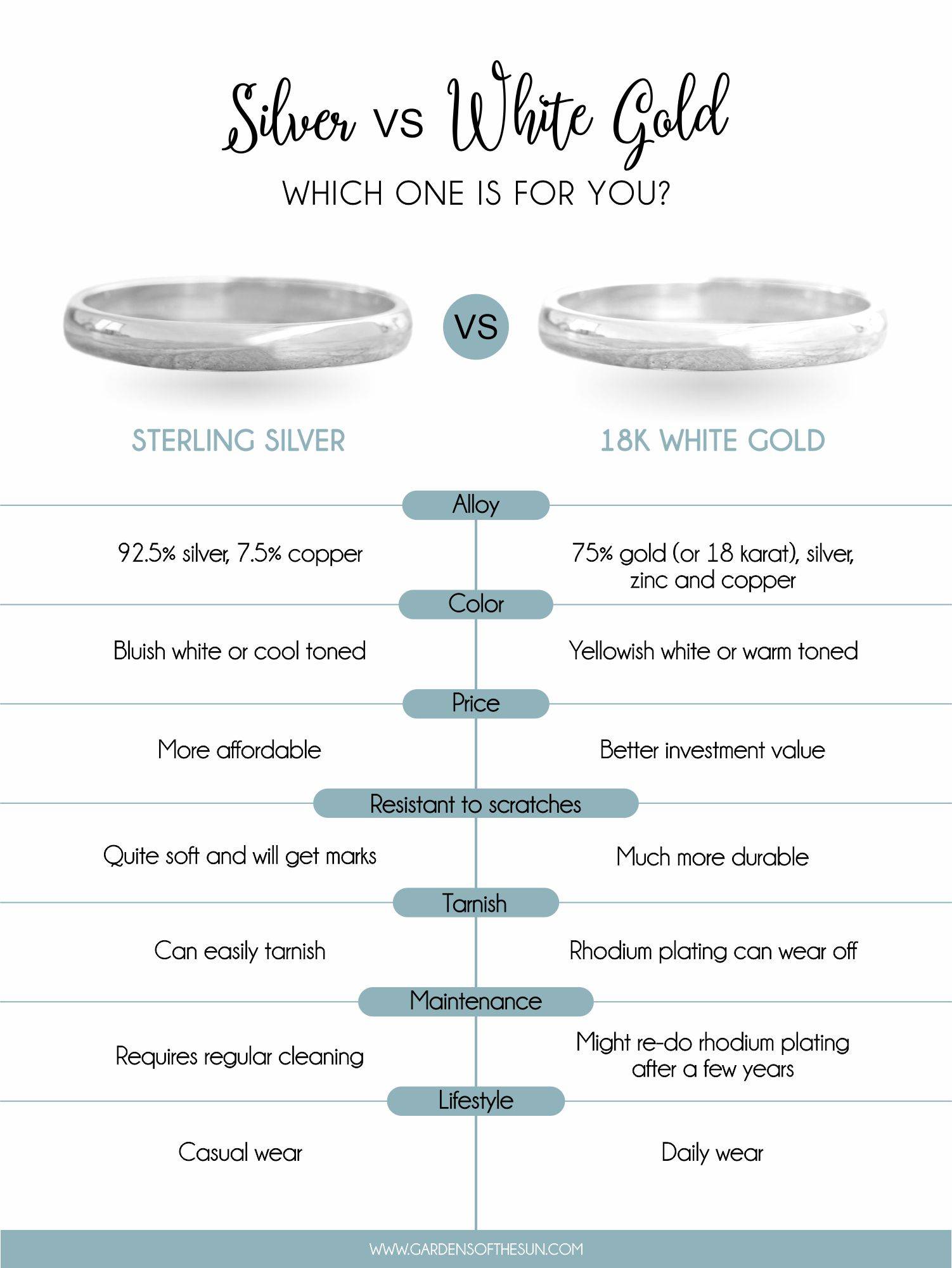
Sterling silver is 92.5% silver and 7.5% other metals, usually copper. Fine silver contains a higher silver content than sterling silver, as high as 99%. More on alloys below.
Our silver comes from recycled sources. That swap cuts emissions by eight times compared to newly mined silver, and keeps beautiful metal in circulation.
We use palladium, silver and zinc in our white gold alloy.
Zinc is naturally rust resistant, a strong metal, has a bluish white color, and very stable. It’s the perfect metal to be combined with white gold.
Since gold has a very deep yellow hue, adding up to a quarter of zinc and silver just isn’t enough to transform the color. That's why we also add palladium.
The addition of palladium gives the gold a gray tone and less of a warm yellow hue. Palladium is more expensive than nickel and has a higher melting point, which makes white gold more expensive and more labor intensive to work with.
For those who prefer a white metal shine over a more grayish gold tone, might want to opt for rhodium plating.
Gold with a lower gold content (like 9K, which contains 37.5% gold) tends to be whiter in color, since it has a higher content of other metals.
Most silver jewelry is sterling silver, which is the pretty name for silver alloy. By default, anything with 92.5% silver content is called sterling silver. If you see the number 925 on your silver piece, then it’s sterling silver. The other 7.5% is usually copper, but it may also contain zinc or nickel.
A dash of copper in the mix adds a substantial amount of durability to the ring, even though copper develops a thin layer of green patina over time (think Statue of Liberty, which was made out of copper and is now a green sculpture). Zinc adds durability too, and nickel adds sparkle. We don't use any nickel in our sterling silver.
Don’t confuse sterling silver with fine silver! Fine silver has a 99% silver content, which makes it a lot softer, but less likely to tarnish. We use fine silver for some parts of our Hidden Gems collection so that the metal can grip the tiny pieces of rough gemstones.
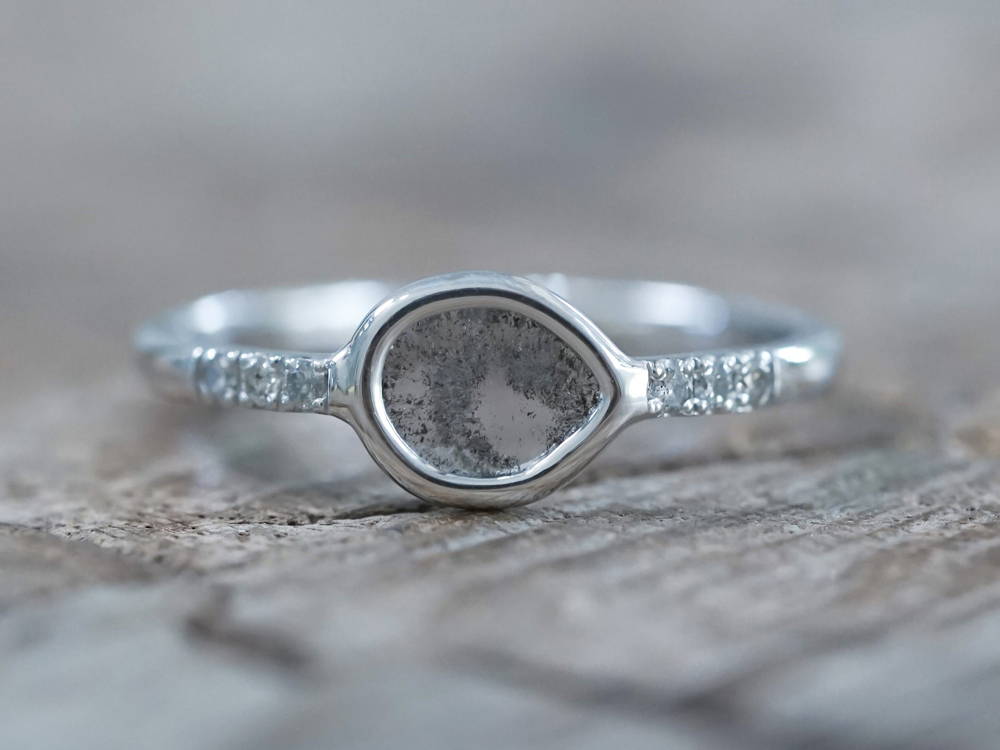
A white gold ring with a salt and pepper diamond slice
White gold can be very shiny and bright, matching the shine of platinum. But this shine actually doesn’t come from the gold or the alloy, but from the rhodium plating.
Rhodium plating gives the ring that beautiful reflective shine and resistance to scratches. Without rhodium plating, white gold will have a yellow undertone (which some people love).
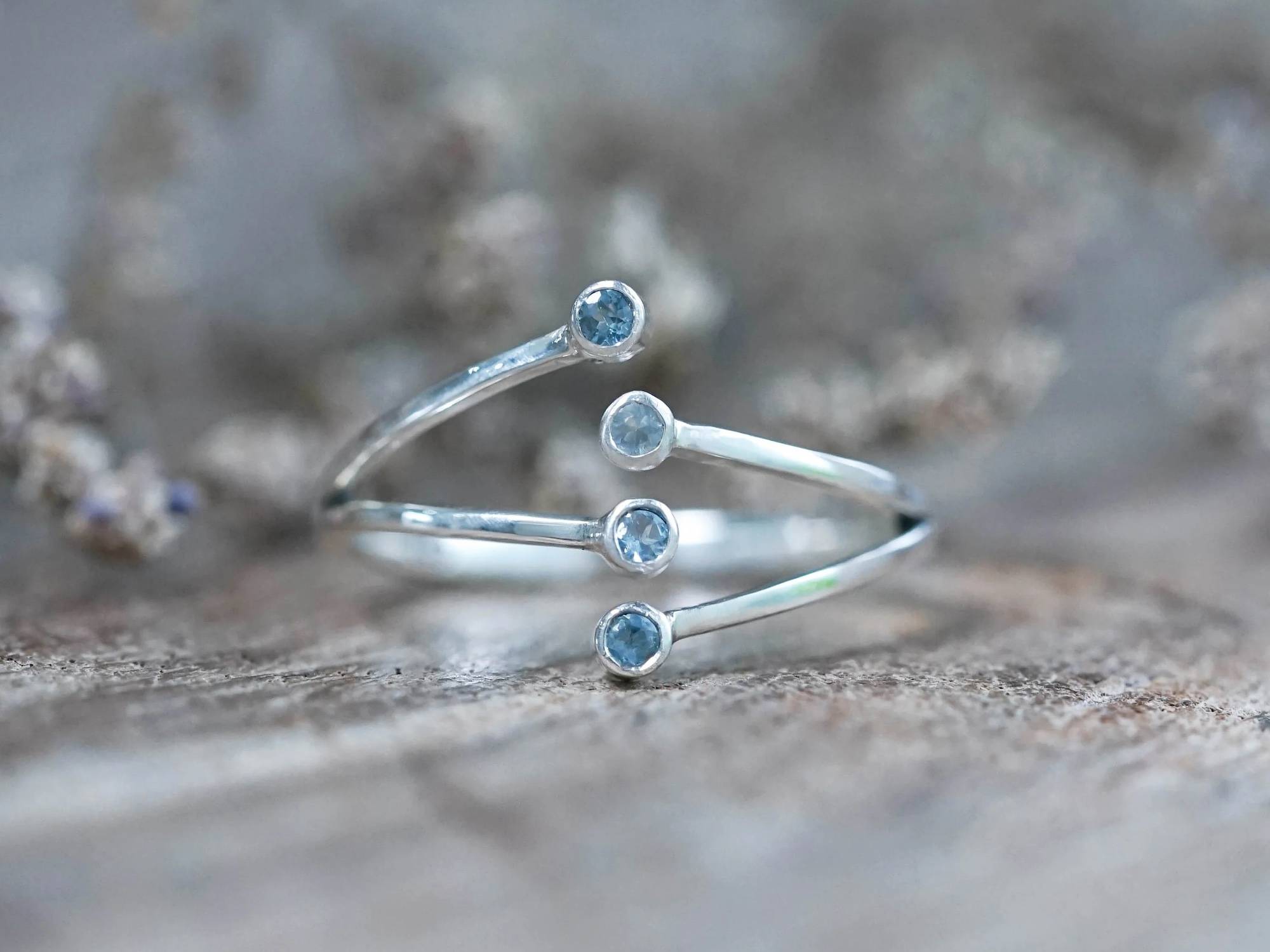
Recycled sterling silver aquamarine ring
Silver is shiny and lustrous, with a slight hint of grey. It’s not as bright as rhodium plated white gold.
Silver is easily textured and stylized with various oxidation methods. Over time, silver may develop a patina.
White gold is pricey, but less expensive than platinum (another precious metal even more valuable than gold, often used as a collector’s choice in jewelry). Your jeweler may charge more for white gold than yellow or rose gold, because of the rhodium plating or the addition of palladium in the alloy, which is more expensive than the alloys used in other gold colors.
Silver is a cheaper alternative to gold. Because silver is more abundant than gold, it has a lower financial value.
FUN FACT
Silver has always been cheaper than white gold. There’s a thing called gold : silver ratio to set the price of these metals. For centuries, the gold : silver ratio was 16 : 1, meaning that if a chunk of silver costs $100, a gold chunk of the same weight will sell for $1,600. Nowadays the ratio has increased to 80 : 1.
Is silver or gold a better investment for fine jewelry?
When it comes to investing in fine jewelry, its value goes way beyond the metal. The gemstone and the design of the jewelry can raise the value. The rarer the gemstones, like a natural saltwater pearl or a natural blue diamond, the higher the value. Likewise, vintage pieces may command a higher price simply because it's a historical piece. Investing in fine jewelry is just like investing in art.
But when it comes to silver versus white gold, white gold takes home the medal. For jewelry, gold matches the value of high value stones. It’s also more durable than silver and can maintain the setting’s shape and shine for a much longer time. So for those treasured gemstones and heritage diamonds, gold is a better investment that will outlast silver.
White gold is stronger and more durable than silver. The combination of metals give white gold its color and durability. Without it, pure gold is just as soft as pure silver. Additionally, white gold may be rhodium plated, which gives it a shiny top layer and adds another layer of scratch resistance.
Silver on its own is malleable and soft. Even as sterling silver, silver scratches quicker than white gold. Over time, you’ll see silver rings having natural marks from daily wear.

(aka gets darker or changes color over time)

Similar to silver, gold on its own doesn’t tarnish. There’s little to no chemical reaction happening between pure gold and the environment, but other metals in the alloy can react to the environment. That’s why, the lower the gold karat and the higher the alloy content, the faster it can tarnish.
Silver on its own doesn’t tarnish, but the other metals in the alloy might. You’ll see how silver jewelry develops an oxidation or patina (a dark grey to black film formed on the surface) as it reacts to the environment. In this case it’s actually metals like copper which are susceptible to tarnishing.
Unlike rusting, which can ‘eat up’ the physical form and is irreversible, tarnishing doesn’t physically damage the silver. Silver tarnishes quicker than gold.
White gold alloy is well protected by rhodium plating, even though rhodium plating itself won’t last forever. Every 1 to 3 years, the rhodium plating will fade and need reapplication. When you see yellow tinge peeking through, you’ll know it’s time to re-do that rhodium plating!
If your white gold is palladium based, the color will be more that of a white metal and you might not need rhodium plating. This means it's much lower maintenance than a rhodium plated white gold ring. So if you're planning on getting a white gold ring, always ask the jeweler whether it's rhodium plated or not!
Silver alloy tends to tarnish rather quickly, so it needs regular cleaning and polishing.

Skin can be dramatic. Some people slip on a ring and feel nothing but joy. Others get an instant itch, a rash or a pink line that screams nickel allergy. If you have sensitive skin or you shop for hypoallergenic jewelry, the metal mix matters more than the color.
Nickel is the usual troublemaker. Some jewelers and fashion jewelry use nickel in both white gold and sterling silver alloys because it’s cheap and adds hardness. We skip it completely. Our white gold uses palladium, silver and zinc, and our sterling silver uses copper and zinc. No nickel, no hidden surprises, no mystery rashes.
If you’ve reacted to white gold in the past, you might have worn a ring with nickel in the alloy under a layer of rhodium. Rhodium plating can act like a temporary buffer between your skin and the nickel, but it fades with wear. Once the plating thins out, your skin meets the alloy directly again and the irritation comes right back.
Sterling silver and white gold aren’t naturally hypoallergenic. It comes down to the alloy. The moment you remove nickel, both metals behave gently on sensitive skin.
If your skin is sensitive, go for metals that keep things calm: nickel free sterling silver, nickel free white gold. Your hands stay comfortable, your ring stays pretty, and you don’t have to choose between daily wear and a little peace.
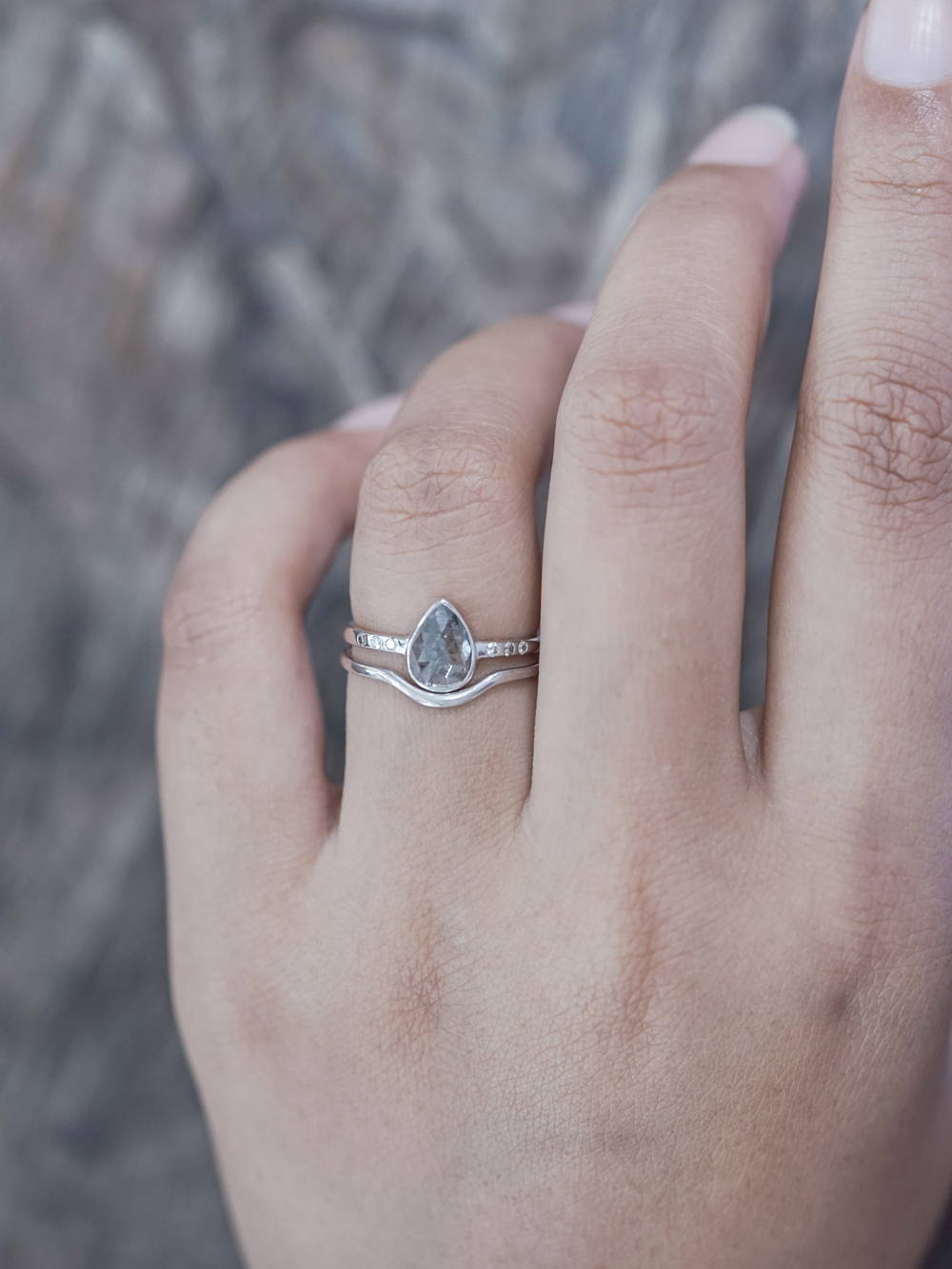
White gold rings are great on their own as a wedding band or together with your dream gemstone. Rhodium plating will avoid your ring looking dull, especially against the sparkle of your gemstone. It will also protect the gold underneath, like a protective layer. But then again, if you want something low maintenance, we suggest you opt for a platinum engagement ring or a palladium based white gold, since rhodium plating will wear off over time.
Silver rings can be much more affordable than white gold rings - partly because of the quality of the gemstones or diamonds used in it. But the ability of silver to withstand daily wear is subpar compared to white gold. If you wear your silver jewelry every single day, blotches and tarnishes will become visible with time, and after decades of wear your silver might break.
That being said, a worn out silver ring can have a lot of charm. Like an old, yellowing book, some marks of time in your silver ring show signs of being well loved.
Silver jewelry needs some TLC and regular cleaning. If you don’t mind polishing it every now and then, or like the idea of a roughed up look over the years, silver can be your metal of choice.
At first glance, silver and white gold look like cousins who share a family resemblance but definitely don’t shop at the same store. When you know what to look for, the visual difference between white gold and silver becomes obvious.
When you line them up side by side, silver reads cool and serene, while white gold leans bright and polished. Once you learn these small tells, you’ll start spotting the difference everywhere: jewelry stores, friends’ hands, even your own drawer of forgotten treasures.
Neither sterling silver nor white gold is magnetic. If the metal sticks to a magnet, you’re dealing with a base metal alloy or plating, not solid silver or gold.
In terms of appearance, white gold starts out bright and mirror like thanks to its rhodium plating. Over time, that shine softens into a warm, slightly gray white tone as the plating wears. Silver has a cooler, bluish cast right from the start. It can look soft and calm, and as the months go by it may pick up patina, that gently weathered look that silver is famous for.
Gold is denser than silver, so white gold jewelry usually feels heavier in your hand. Silver feels lighter, softer, more airy. Like the difference between a ceramic cup and a porcelain one.
Silver jewelry almost always carries a “925” stamp for sterling silver (92.5% purity) or “999” for fine silver. White gold carries hallmarks like “750” for 18 karat gold or “585” for 14 karat. If you have good eyesight or a phone camera with proper zoom, this is the fastest way to tell what’s what.
Silver jewelry sits in a completely different price range. If two rings look the same but one is dramatically cheaper, it’s almost always silver. White gold costs more because you’re paying for the gold content, your goldsmith (gold is harder to work with than silver) and the rhodium plating.
Silver shows scratches and patina sooner. White gold stays crisp and solid longer, but once the rhodium plating fades, the warmer undertone peeks through. Neither is “better,” they just age in their own ways. One grows softer and darker, the other slips into a warmer glow.
Yes, silver can work for an engagement ring, especially for a softer lifestyle or a budget-friendly option. Just know what you’re signing up for: silver bends easier, scratches faster and may need repairs sooner if worn daily. It’s lovely for a starter ring, a promise ring, a second ring to travel with, or someone who loves patina as part of the story.
White gold is the safer bet for an engagement ring, especially if you’re setting a valuable gemstone. Most jewelers won’t place an expensive center stone in silver because the metal is softer, bends easier and doesn’t hold prongs as securely over the years. Silver prongs can wear down faster, which means more repairs and a higher risk of your stone loosening over time. White gold keeps its shape, protects the setting, and handles all the small bumps of daily life without turning your ring into a high maintenance project.
A wedding band lives on your hand through dishes, door handles, sunscreen days and everything in between. White gold handles that rhythm far better than silver. Sterling silver can be a sweet choice for a casual band, but long term, white gold stays stronger, cleaner and less fussy.
White gold is sturdier and more durable for everyday wear. It keeps its shape, resists bending and doesn’t mark as quickly as silver. But it doesn’t get off so easily. If your ring is rhodium plated, you’ll need to replate it every one to three years unless you’re happy with the warmer, slightly gray or golden tone that shows through as the plating fades. Silver asks for more frequent polishing and picks up patina, but white gold asks for its own kind of upkeep. It just stays stronger through the daily chaos.
White gold doesn't tarnish in the same way as silver. Sterling silver darkens as the copper in the alloy reacts to air, salt, lotion or a day at the beach. White gold doesn’t tarnish, but it can show its warm undertone once the rhodium plating wears down. That change is more of a color shift or glow than a tarnish.
If you want a ring that lasts decades, stays in shape and keeps your gemstone or diamond safe, white gold earns its price. It’s sturdier, easier to maintain long term and holds value better over time. Silver is perfect for light wear or a more relaxed budget, but white gold is the “ride or die” metal for a ring that’s meant to live with you, not just beside you.