Your Cart is Empty

(and why you deserve better)
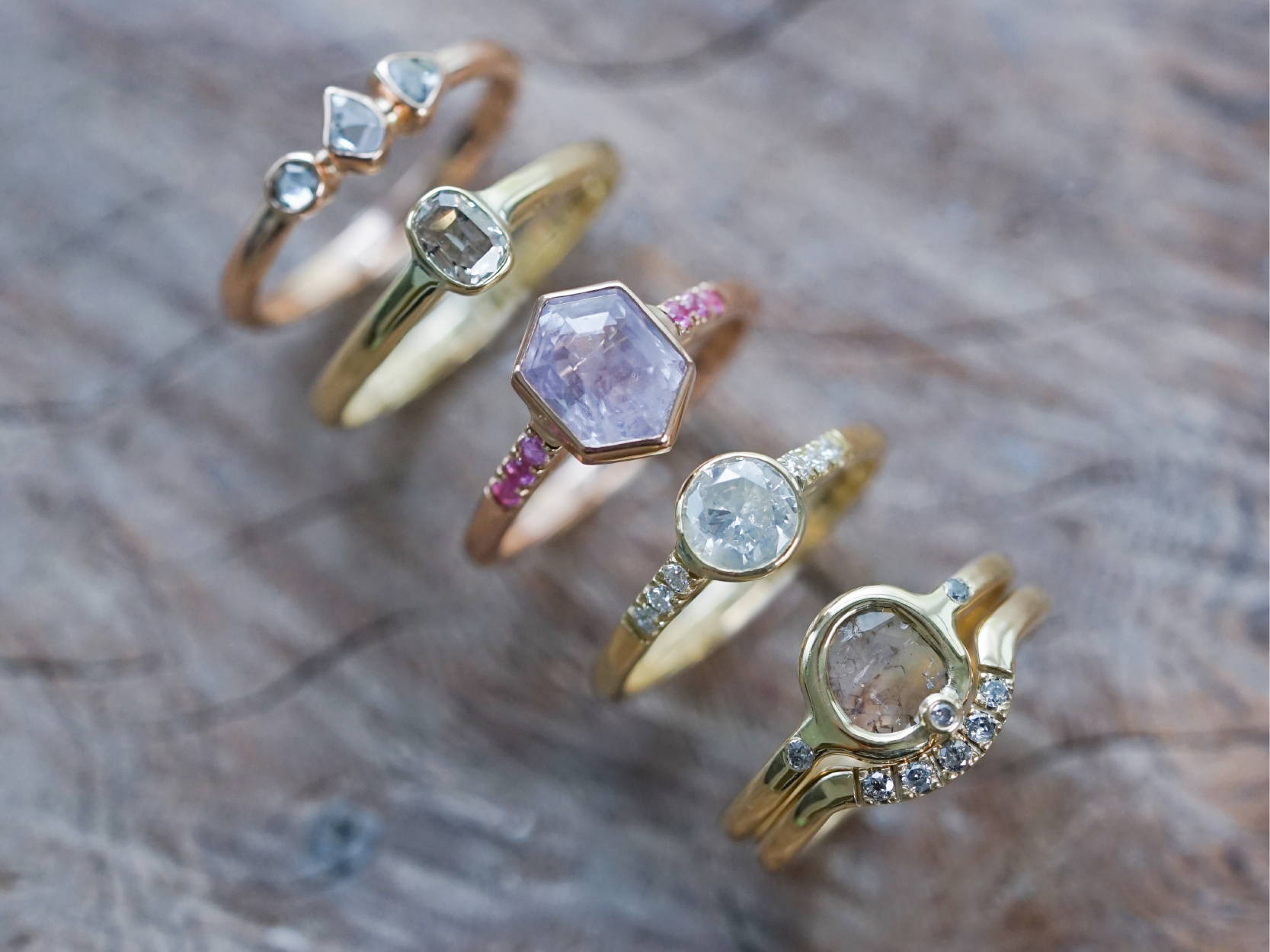
Gold plated jewelry promises the look of gold without the cost, but that promise tends to fall apart as you start wearing it in real life. Sweat, sunscreen, showers, humidity, that one rushed moment when you pull your necklace over your head and hear a tiny tick. Suddenly the pretty gold tone fades, your skin turns a questionable shade of green, and you’re left wondering what you actually paid for.
I know the feeling. My ears would flare up after a few hours of wearing cheaply plated earrings. Red, itchy, irritated. Later I learned I’m sensitive to nickel. Many plated jewelry hides nickel, brass or mystery metals beneath that whisper thin layer of gold or silver.
Gold plated jewelry might look like real gold, but gold plated isn't the same as solid gold. Gold plated jewelry may tarnish or have the gold come off because the gold layer is so thin. Buying plated jewelry often feels like buying a surprise box, you don’t know what's inside until your skin reacts to it.
At Gardens of the Sun we decided early on not to offer gold plated jewelry. Not because we're not into affordable jewelry, but because we care about what happens after the first wear. And the tenth wear. And the tenth year. Your jewelry should last longer than a season. Your jewelry should not leave your skin irritated or your fingers green. Your jewelry should not add more toxic waste to the world.
We believe gold plated jewelry isn't worth your money, your skin or the planet.
Let’s unpack why.
Gold plated jewelry means there is a very thin layer of real gold fused to a base metal. That base metal can be brass, copper, nickel, stainless steel or sterling silver. The gold layer is tiny, often less than one micron. For context, a single human hair is about 70 microns thick. That’s how thin we are talking. The gold sits on top like paint, not like a material that runs through the entire jewelry. This is why plated jewelry changes so quickly once you start wearing it in real life.
The real issue is the metal underneath. Unless you’re buying from a highly transparent brand, you have no idea what's under the gold. Nickel, brass, copper or a cocktail of alloys. Toxic heavy metals like cadmium, lead or nickel. If your skin has ever itched or burned or turned green, this is why.
When I was younger I bought one of those three gold plated ring sets from a fast fashion chain store. They looked cute, but only lasted a few wears. Then the coating vanished and my fingers reacted so fast it felt like a tiny betrayal. I stopped buying them long before I became a jeweler.
Now I know better, and I want you to know too.
Technically, gold plated jewelry does contain real gold. But it’s such a tiny amount that it makes almost no difference in durability, value or longevity. It’s like a latte with one drop of milk. You can call it dairy, but is it, really?
Gold plated jewelry includes real gold the same way a dusting of sugar counts as dessert. The gold is there, but it doesn’t change how the jewelry behaves. It’ll still tarnish, fade and expose the base metal underneath. It'll never behave like solid gold, because it’s not solid gold.
So yes, gold plated jewelry contains real gold. But no, it doesn’t give you the experience, durability or value real gold jewelry. That thin layer is simply not enough to protect your skin or your investment.
Gold plating is a chemical process. A piece of jewelry is submerged in a liquid solution containing potassium gold cyanide. A toxic substance that needs careful handling and controlled disposal to avoid poisoning waterways and soil.
Electroplating uses electricity to pull particles of gold from the solution and fuse them onto the metal. This creates that thin layer we call gold plated.
Cyanide waste has to go somewhere. Some factories manage it responsibly. Many in Indonesia don't. The environmental risks are well documented by organizations monitoring chemical pollution in mining and metal processing.
This is where our path diverges completely.
Gardens of the Sun uses traceable, mercury free and cyanide free gold from artisanal miners in Borneo. We work directly with women miners who use safe, simple, non-toxic methods. We choose small scale miners who use manual techniques that are less taxing on rivers and forests. Responsible sourcing is the heart of our business.
The short version: gold plating depends on chemicals you probably don't want near your skin or the environment. Ethical gold doesn't.
Gold plated jewelry tarnishes and wears off. The question isn't if, but when.
The gold layer is so thin it wears down quickly. Friction from your clothes. Lotion. Soap. Sweat. Hand washing. Exercise. The edge of a handbag. The inside of a ring when you grip your scooter handlebars. These tiny contacts slowly scrape the gold away.
Once the base metal is exposed, air and moisture react with it. Copper turns green. Brass turns dull. Nickel irritates skin. Sterling silver oxidizes. The plating might look beautiful on day one, but life does what life does.
Gold plated jewelry tarnish happens as soon as the gold layer rubs off and the base metal oxidizes. That's why gold plated jewelry often lasts only a few months. If you’re lucky, maybe a year or two. It's not designed for everyday life. It's not designed for durability. It's not designed for a humid climate or a salty coast or the gentle chaos of motherhood with three kids and a tote bag full of crayons.
Yes. If the base metal of the jewelry contains copper or brass, it may react with the oils and acids on your skin and leave a green or dark stain. It's not dangerous, but it's annoying.
Skin turning green isn't a reaction to gold. It's a reaction to the metal underneath the gold. The moment that layer wears off, your skin is in direct contact with the problematic part.
People with nickel allergies, like me, often have a worse reaction. Burning. Itching. Red bumps. And remember, many brands don't list what base metal they use. Especially on cheap mass produced jewelry.
This is why gold plated jewelry feels like a mystery box. You never know what your skin meets next.
No, gold plated jewelry isn’t waterproof. You can shower or swim with gold plated jewelry, but it won’t survive it for long. Water itself isn't the enemy. It’s everything that comes with it. Showers mix heat, steam, soap, shampoo, conditioner and whatever skincare routine you do half asleep. Pools add chlorine. The ocean adds salt. All of these speed up the breakdown of the thin gold plated layer.
Here’s what actually happens. Heat makes metal expand, and cooling makes it contract. Those tiny movements make the already thin gold layer loosen. Humidity sneaks into the tiny gaps between the gold and the base metal. Once that happens, the bond between the metals weakens. Add soap or chlorine or sunscreen and the reaction speeds up even more. Chlorine in particular is rough on metals like copper, brass and nickel. It eats away at the metal underneath the plating and pushes the gold layer to separate or flake.
The moment the gold layer starts to wear off, the base metal underneath is exposed. The jewelry might go patchy, dull or uneven in color. You might get black or green marks on your skin. You might even see peeling around the edges. Sweat, sea water and hot showers all speed up this process.
So yes, gold plated jewelry can get wet. But your jewelry will pay the price faster than you expect.
This is the part many brands avoid. Gold plated jewelry isn't built to last. It's built to sell fast, wear briefly, then end up in the trash. That cycle fuels environmental waste and chemical pollution.
Gold can be recycled forever. Plating can't. When the gold layer disappears, the entire jewelry becomes unusable. It becomes landfill. The environmental cost is higher than anyone wants to admit.
Real sustainability is simple. Buy less. Buy better made. Repair. Treasure it. Pass it on.
This is why we choose solid gold from traceable, small scale miners: long lasting, circular, honest.
Let’s clear up the confusion.

The base metal of gold plated jewelry usually contains brass, nickel, copper or stainless steel. It has the thinnest layer of gold, only less than 1 micron. Wears off fast. Since only a very tiny amount of gold is used, gold plated jewelry is considerably cheaper than real gold jewelry.

Gold vermeil jewelry has a thicker layer of gold over sterling silver, but the thickness for gold plating isn’t standardized worldwide. The US standard for gold vermeil jewelry is 2.5 micron, and in Canada, it’s 1.0 micron. Better than gold plated but still plated. Still uses cyanide. Still temporary.

Gold filled jewelry is heat bonded instead of chemically plated. Holds up longer and can get wet without problems. Contains significantly more gold (5% of the total weight), and cheaper than solid gold. Not cyanide based. Still not traceable or ethical unless you know the source of the gold.
All of these three options can use different qualities of gold: 14k, 18k, 24k… Prices will vary depending on the thickness of the gold, the mix of the gold itself and the base metal. But they’re still far cheaper than solid 18 karat gold, which is the type of gold we use at Gardens of the Sun.
If you’re curious how different gold types compare, our gold karat guide explains what makes solid gold stable while gold plated jewelry fades.

Solid gold can be repaired, re-melted and reused forever. No mystery base metal. No fading or turning green. Solid gold costs more upfront, but it also lasts more than a lifetime. It holds emotional value and financial value. And most importantly, it aligns with values of care, fairness and long term responsibility.
Yes. Gold plating will always wear off because the gold layer is so thin. Daily friction from clothing, bags, hand washing or even the way you move slowly rubs the gold away. Once that happens, the base metal underneath is exposed and the gold plated layer simply disappears. This isn’t a sign of bad care. It’s how gold plated jewelry behaves in real life. The more you wear it, the faster it fades.
Yes. Gold plated jewelry will always tarnish at some point. The gold layer is too thin to protect the base metal underneath. As soon as the gold plating wears off, the base metal reacts with air, moisture, sweat or skincare products. That reaction causes the tarnish. It looks like dull patches, dark spots or a change in color. Gold itself doesn't tarnish, but gold plated jewelry does, because the part touching your skin is no longer gold.
Sometimes. Gold plated silver can turn green once the plating wears off, but it's actually the copper in the sterling silver reacting underneath. Sterling silver darkens and oxidizes when exposed to air and moisture. When the gold plated layer fades, you might see a mix of greenish marks, dark spots or dull patches on the jewelry or on your skin. This isn't the gold, it's the silver showing through.
Not reliably. Gold plated jewelry often uses a base metal like nickel, brass or an unknown alloy. Even with a layer of gold on top, that thin plating isn't enough to protect sensitive skin. I react to nickel within hours. The itching and redness are hard to miss. Gold plating doesn't change what is underneath, and once it wears off, your skin meets the metal you were trying to avoid in the first place.
Gold plated jewelry lasts anywhere from a few weeks to a few years, depending on the quality of the plating and your lifestyle. If you wear it every day, the gold plating will rub off much faster. Sweat, humidity, sunscreen, perfume, swimming and hand washing all speed up the fading. Even higher quality gold plated jewelry has a short lifespan, because the plating is always thin. Gold plated jewelry is temporary by design.
Gold plated jewelry has very little cash value or resale value. It contains such a small amount of gold that there’s nothing to recover when it wears off. The value of gold plated jewelry lies mostly in the initial look. Once it tarnishes or fades, there's no long term worth. Gold plated jewelry isn't considered an investment, because the gold content is too low to matter.
Gold plated jewelry can turn your skin green when the base metal contains copper or brass. The moment the gold layer rubs off, your skin touches the metal underneath. Copper reacts with sweat and moisture, leaving that green tint on fingers, necks or ears. This is common in humid climates or during active, sweaty days. It'sn't your skin misbehaving. It's the base metal reacting.
Yes. Even 18k gold plated jewelry tarnishes because the karat of the gold doesn't change the thickness of the plating. The gold layer is still thin. Once it wears off, the underlying metal oxidizes, and the jewelry starts to lose its color. Whether it's 14k, 18k or 24k gold plated, the result is the same. The plating fades because daily life rubs away that thin layer of gold.
The safety of gold plated jewelry depends on the metal underneath. Gold plating hides whatever base metal sits below, and that metal often contains nickel, copper or brass. If you have sensitive skin, gold plated jewelry is rarely safe to wear long term. The moment the plating wears off, your skin meets the metal directly.
We work with solid gold that's traceable, mercury free and cyanide free. We work with women miners in Indonesia who use simple, safe, non toxic techniques. We melt, roll and form gold in small batches. We track every gram from mine to workshop. Read more about what makes our gold ethical and sustainable.
We’re a B Corp certified jeweler because we believe transparency should not be optional. Real jewelry should last. It should feel good on your skin. It should reflect your values. It should tell a story you’re proud to wear.
We don’t offer gold plated jewelry for one simple reason. It doesn’t live up to our standards for your skin, your wallet or the planet.
Gold plating relies on a chemical bath that contains cyanide, the same toxic stuff that shows up all along the conventional gold supply chain, and it harms the environment long before the jewelry reaches you.
E
ven the best gold plated or vermeil jewelry fade. The thin gold layer rubs off, the base metal shows through, and you’re stuck with something patchy after a short run. And since most mass produced plated jewelry hides whatever base metal sits underneath, it’s hard to know what you’re actually putting on your skin.
Gold plated jewelry is a temporary fix to a permanent desire. It just isn’t built for daily life. It can’t handle sweat, showers, ocean swims, or the tiny knocks of real world wear the way solid gold can. It’s designed to look good for a moment, not for years.
You deserve jewelry that lasts longer than the weekend. Jewelry that keeps its shine through life, sweat, motherhood, salty swims and heartfelt moments. Jewelry that comes from people who are paid fairly and who work safely.
You deserve better than disposable gold.
If you want to explore gold jewelry made with care, honesty and a conscience, shop our ethical gold jewelry.


