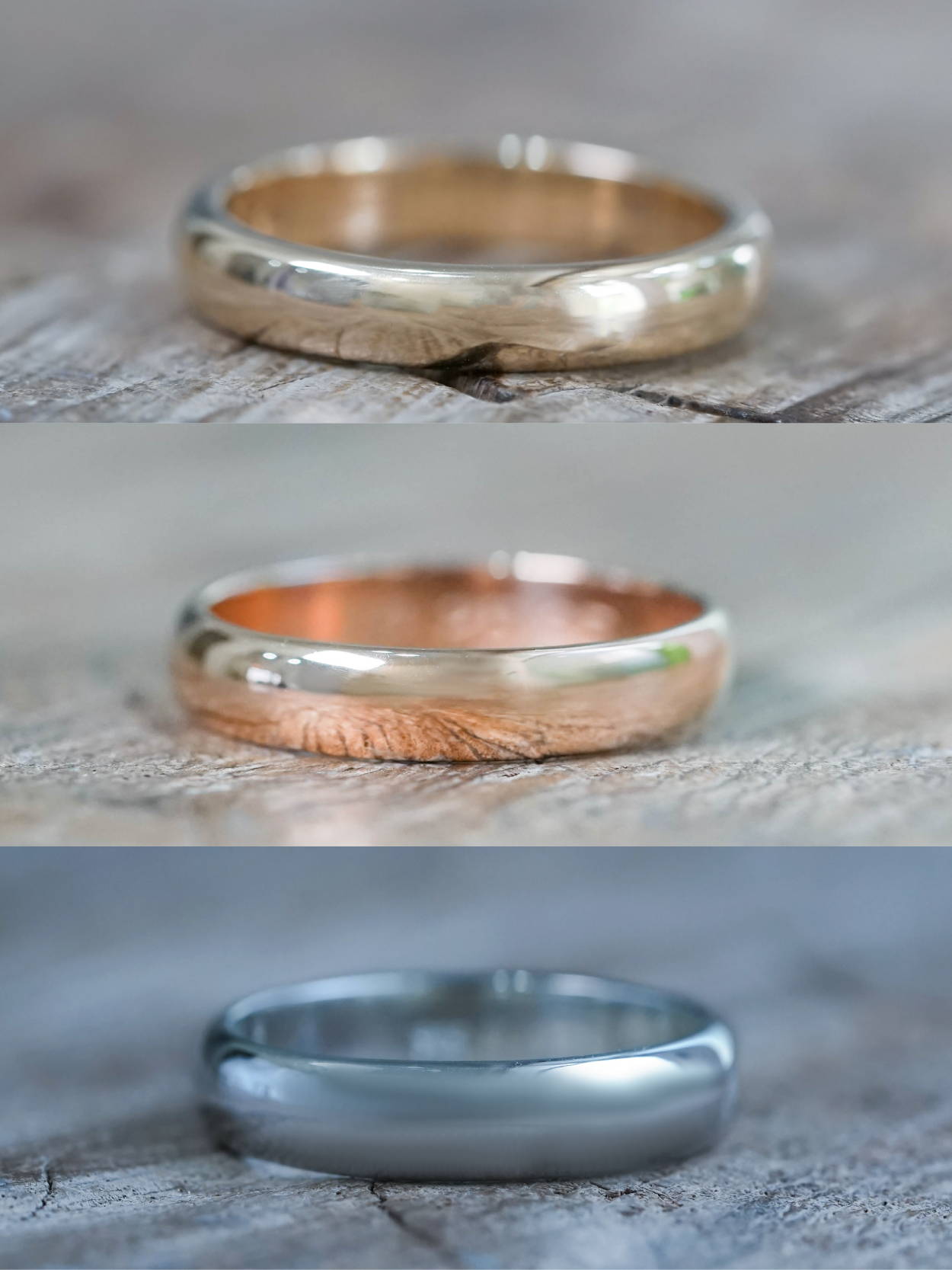
★ free shipping worldwide on orders $250+ ★

0

Your Cart is Empty

The Ultimate Gold Karat Guide


What karats really mean and why we only use 18k gold


Gold might be the world’s oldest status symbol, but it’s also one of the most misunderstood. Flip over a ring, and you’ll see a mysterious stamp: maybe 750, maybe 10K, maybe 585. Is higher always better? Does it matter if your gold is 14K or 18K? And what about white, yellow or that rose gold everyone’s obsessed with?


If you’ve ever wondered why some gold looks brighter, feels heavier or costs a little more (or less), let’s break it down and bust a few myths along the way.


What does “karat” mean in gold?

Karat spelled with a “k” is the system for measuring how much actual gold is in a piece of jewelry. Pure gold is 24 karats. That means all 24 parts are gold. But pure gold isn’t practical for most jewelry. It’s soft enough to easily dent and deform.


So, gold is mixed with other metals to create an alloy that’s tougher, more versatile and better suited for everyday wear. The karat number tells you how much of the gold is actual gold and how much is something else. For example:


  • 24K gold: 99.9% gold. Pure, soft and usually bright orange yellow.
  • 18K gold: 75% gold, 25% other metals. Still rich, but much stronger.
  • 14K gold: 58.3% gold, 41.7% other metals. Even tougher.
  • 10K gold: 41.7% gold, mostly used in mass produced or “budget” jewelry.
  • 9K gold: 37.5% gold, most used in mass produced or “budget” jewelry.


A quick chart for reference:


You’ll also see carat (with a “C”) used for the weight of gemstones and diamonds, but for gold, it’s always “karat” or “K”.


Fun fact


Using karats to measure gold is more popular with US and UK companies. While in Europe, gold is more commonly measured by decimal hallmark stamps, or their millesimal fineness. So 18 karat will be marked as 750, while 24 karat will be marked 999.

what do stamps on gold jewelry mean?

You might notice stamps on the inside of your rings, on the back of a pendant, near the clasp of your necklace or on the post of your earrings, and wonder “what is this?” It's not just some random engraving!


Gold jewelry has a stamp to show the specifications of the metal used for your jewelry. It'll show you information like gold karat or silver purity. This would double as a reassurance of your gold karat count and as a mark for other jewelers if you ever need your jewelry fixed or adjusted.
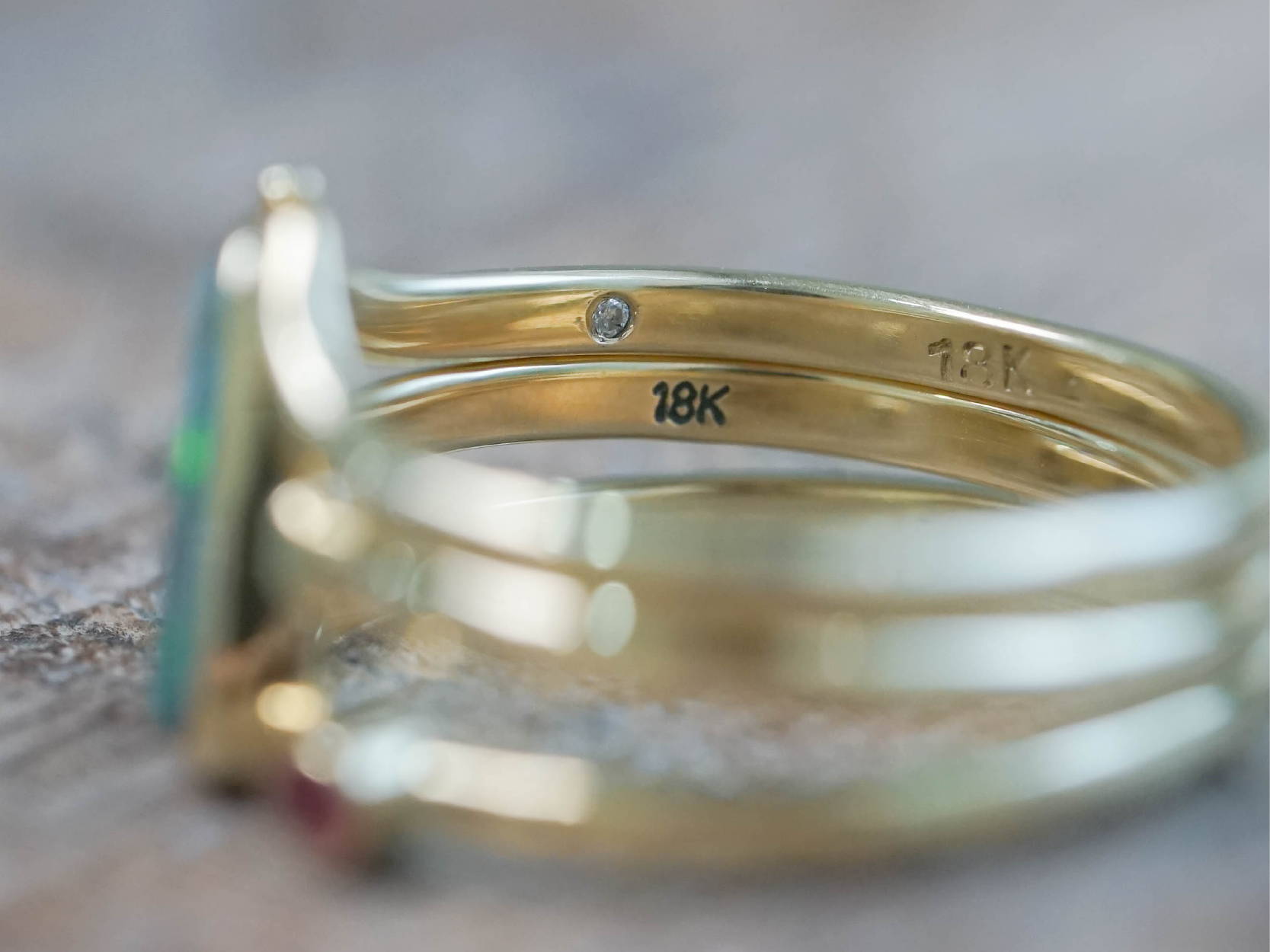


And in the case of our gold jewelry, there's a little extra hallmark to show you it's made with our ethical gold sourced directly from indigenous women miners with low impact and mercury free mining methods. A little something to remind you of the positive impact your jewelry has. 


Most karat values for gold jewelry range from 9 karat to 24 karat. Anything below that isn't usually considered solid gold jewelry. In fact, in many countries 9 karat or 10 karat gold is the lowest purity legally permitted to be sold as gold.


Why Is Gold Blended With Other Metals?

If gold is so great, why bother with alloying adding in other things into the mix?

Durability

Pure gold is too soft to form into jewelry. Mixing it with other metals makes it harder and more durable for daily wear.

Color

Pure gold has a very intense color. Mixing it with other metals helps soften the shade of gold, turn it into a rosy or peach color, or create a white metal look to not distract from that sparkling white diamond.

Price

Pure gold is expensive. Zinc, copper, silver...? Not really. Mixing it with other metals reduces the gold used in a piece of jewelry, and with that also the price you pay.


The ‘other’ metals chosen will usually depend on what color and strength the goldsmith wants the finished jewelry to be. That’s why you’ll find different shades of gold jewelry across different brands, even if the karats are the same.
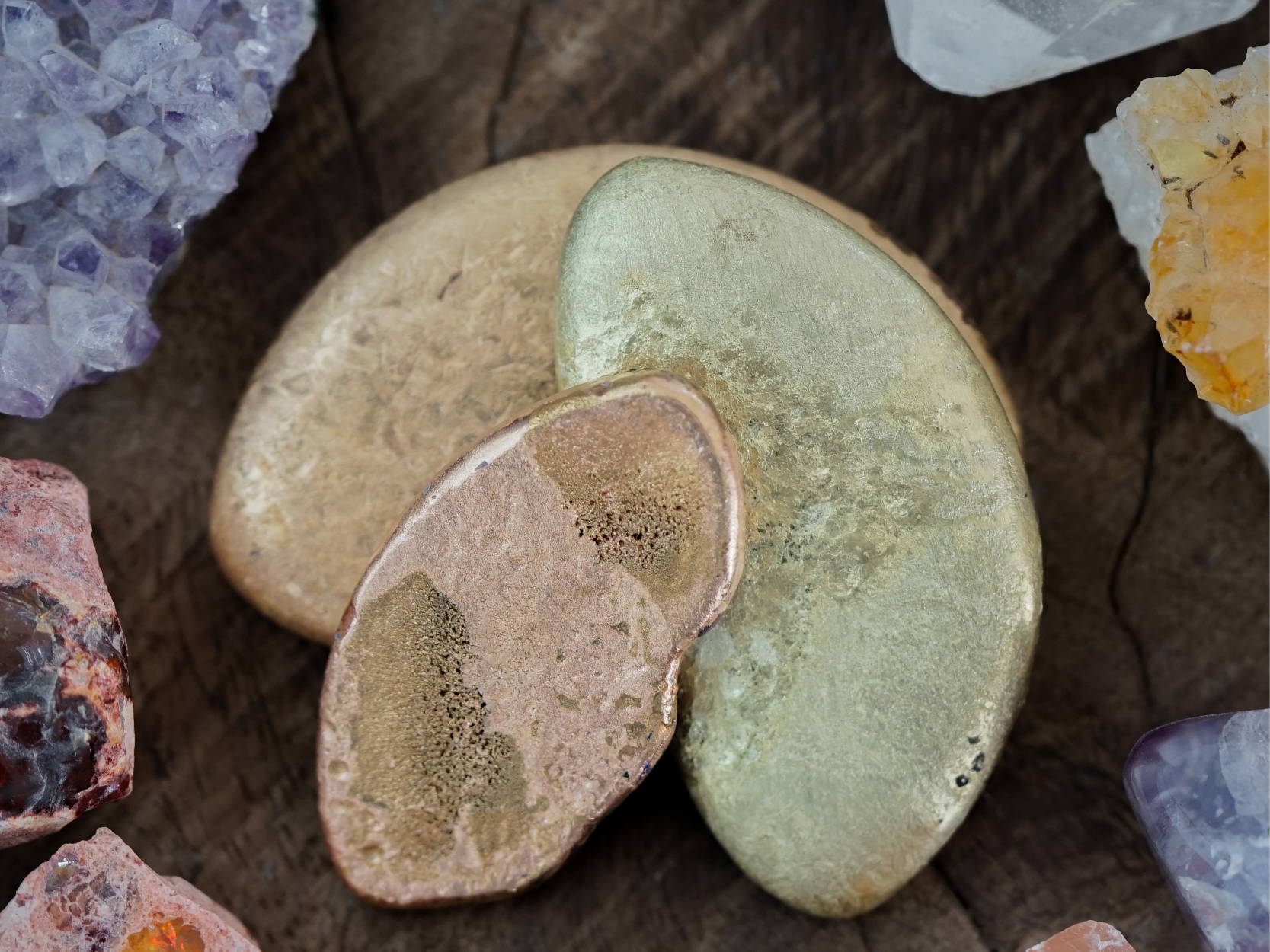

Different alloys for different gold colors

Pure gold is beautiful, but it doesn’t hold its shape. Try making a delicate ring in 24K, and you’ll find it goes out of round easily. I’ve seen friends with 22K gold wedding bands. The color is bright, but the shape keeps shifting and the surface picks up scratches fast. Pure gold is great if you love tradition, but not if you want your ring to look the same year after year.


Alloys are the real MVPs here. Mix gold with metals like silver, copper or a dash of palladium, and you get a material that’s harder, less prone to scratching and ready for anything your day throws at it.

Alloys are what make gold practical for jewelry. Here’s what the main metals do:
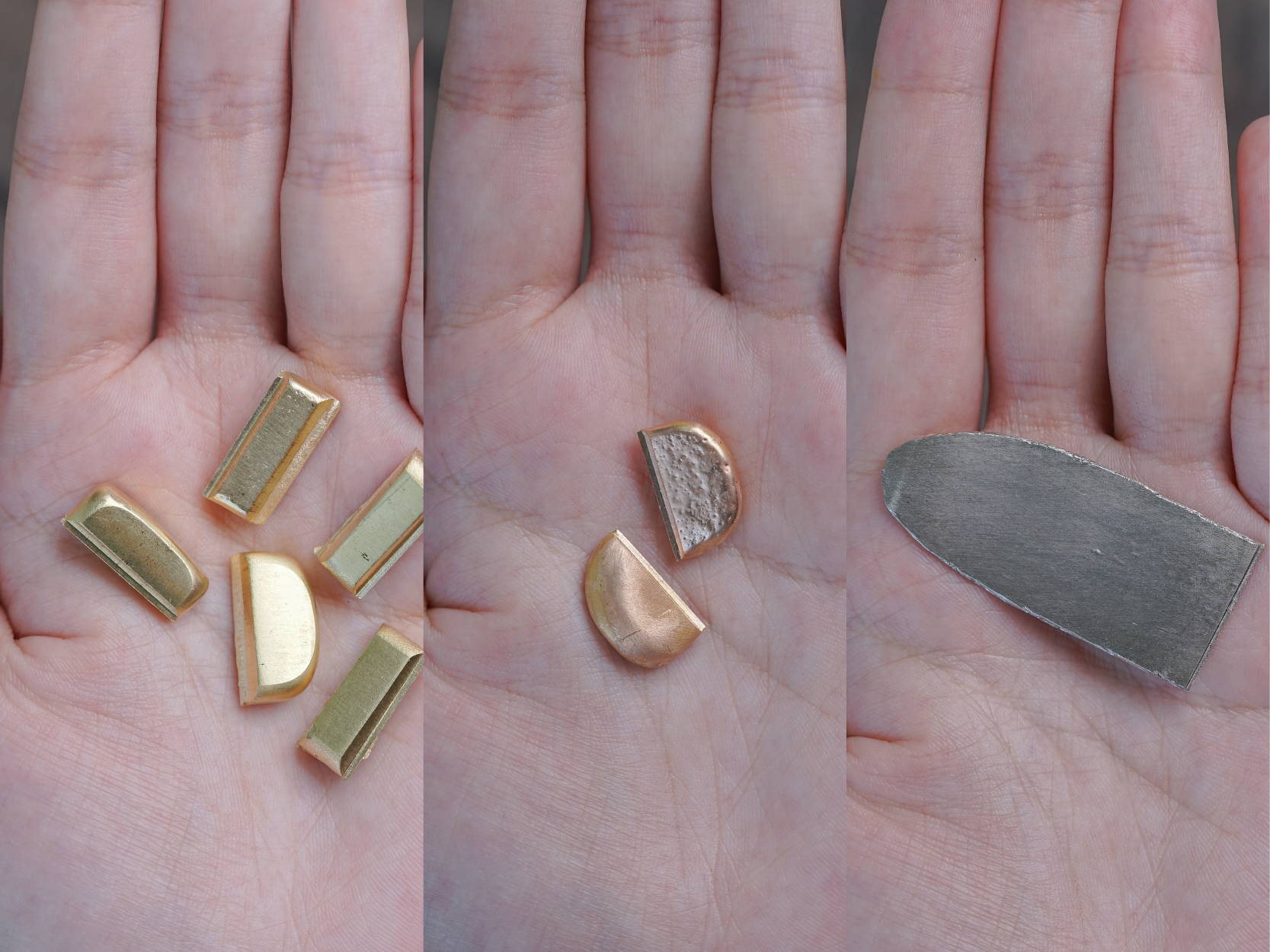
  • Silver makes gold a little whiter and lighter. It also helps make the alloy easier for goldsmiths to work with.
  • Copper adds strength and hardness, making gold less likely to bend out of shape. It also adds warmth to the color, and if you add enough, you get rose gold.
  • Nickel turns gold white and adds hardness, making the alloy strong and durable. It’s often used in commercial white gold jewelry, but can cause allergic reactions. Gardens of the Sun never uses nickel. 
  • Palladium also turns gold white, but without the allergy risk. It makes the gold softer and easier to shape, and gives a slightly grayer, more muted white.
  • Zinc acts as a deoxidizer in gold alloys. It helps prevent oxidation during melting and casting. It also lightens the color of the gold, making it look a bit whiter, and improves the fluidity of the alloy for casting fine details.

Gold colors: why not all gold looks the same

The alloys used determines not just the durability, but also the gold color:

  • Yellow gold: Mostly gold, with silver and a little copper. The copper keeps the color rich and warm (without it, gold can look greenish).
  • Rose gold: Gold plus plenty of copper, which creates that signature pink hue. The more copper, the pinker, and eventually redder the gold.
  • White gold: A blend of gold with white metals, typically a mix of silver, zinc, nickel or palladium to tone down the yellow. Most white gold jewelry is finished with a thin layer of rhodium for a bright, crisp surface. Over time, the rhodium wears off, so you’ll need to re-plate it (think of it like a facial, but for your ring).

So, alloys don’t just toughen up your jewelry. They’re also what give you all those color choices, from classic yellow gold to cool white gold or bold rose gold.


Fun fact: Higher karat gold always looks warmer and deeper. Lower karat gold looks duller and paler. 

Comparing all the gold karats from 9K to 24K

9K / 10K Gold

  • The most affordable
  • Used in things like class rings, discount jewelry or that ring your cousin bought on Facebook Marketplace
  • White gold jewelry of low karat tends to contain nickel
  • Often paired with fake gemstones, lower quality stones or lab diamonds
  • Dull color, very tough, not very “gold”

14K Gold

  • Most popular in the US and parts of Europe
  • Stands up to heavy use, resistant to scratches
  • Less gold content than 18k, so it’s more budget friendly

18K Gold

  • The artist’s gold, easiest to work with for handmade and stone setting
  • Holds up to fine detailing and daily wear
  • High enough purity to matter, but not so high that it easily deforms or scratches

22K Gold

  • Common in India, China and the Middle East
  • Too soft for skinny rings or tiny prongs

24K Gold

  • Pure gold, for investment

Advantages and disadvantages of 14K vs 18K Gold

You won’t see a dramatic showdown between 14K and 18K gold in most jewelry shops, it’s simply a matter of different options. The choice often comes down to the jeweler’s style, technique, price points and what they believe makes for the best finished gold jewelry.

Purity and value of 14k vs 18k gold

18K is 75% gold, 14K is 58.3%. More gold means a richer yellow color, more intrinsic value and that “this is the real deal” feeling.

Color of 14k vs 18k gold

18K gold has a deeper, truer yellow. 14K is a bit paler and softer in color.

Durability of 14k vs 18k gold

Here’s the surprise: less gold equals harder metal. 14K is harder to scratch and dent, which is why it’s commonly used in commercial jewelry. 18K is a little softer, but not in a “handle with tweezers” kind of way.

18k vs 14k, what’s the best gold?

For everyday rings and necklaces, both are up for the challenge. If you want a mix of value, beauty and longevity, and you like your jewelry with a little personality, 18K wins. It’s what we use at Gardens of the Sun. Not just because it looks better (it does), but because it’s the sweet spot between luxury and practicality.

And if you’re thinking, “But what about 10K?” Well, it’s the equivalent of using instant coffee in a Parisian café. Possible, but why would you?

TypeBase MetalGold LayerDurabilityWill It Tarnish
Gold platedBrass, copper, stainless steelLess than 1 micronMonthsYes
Gold vermeilSterling silverAround 2.5 micronsMonths to yearsYes
Gold filledBrass5 percent gold by weightYearsEventually
Solid goldSolid alloyFull gold throughoutLifetimeOnly if alloyed metals oxidize

Which Gold Karat Is Right for You?

Here’s the honest answer: it depends on what you want from your jewelry.
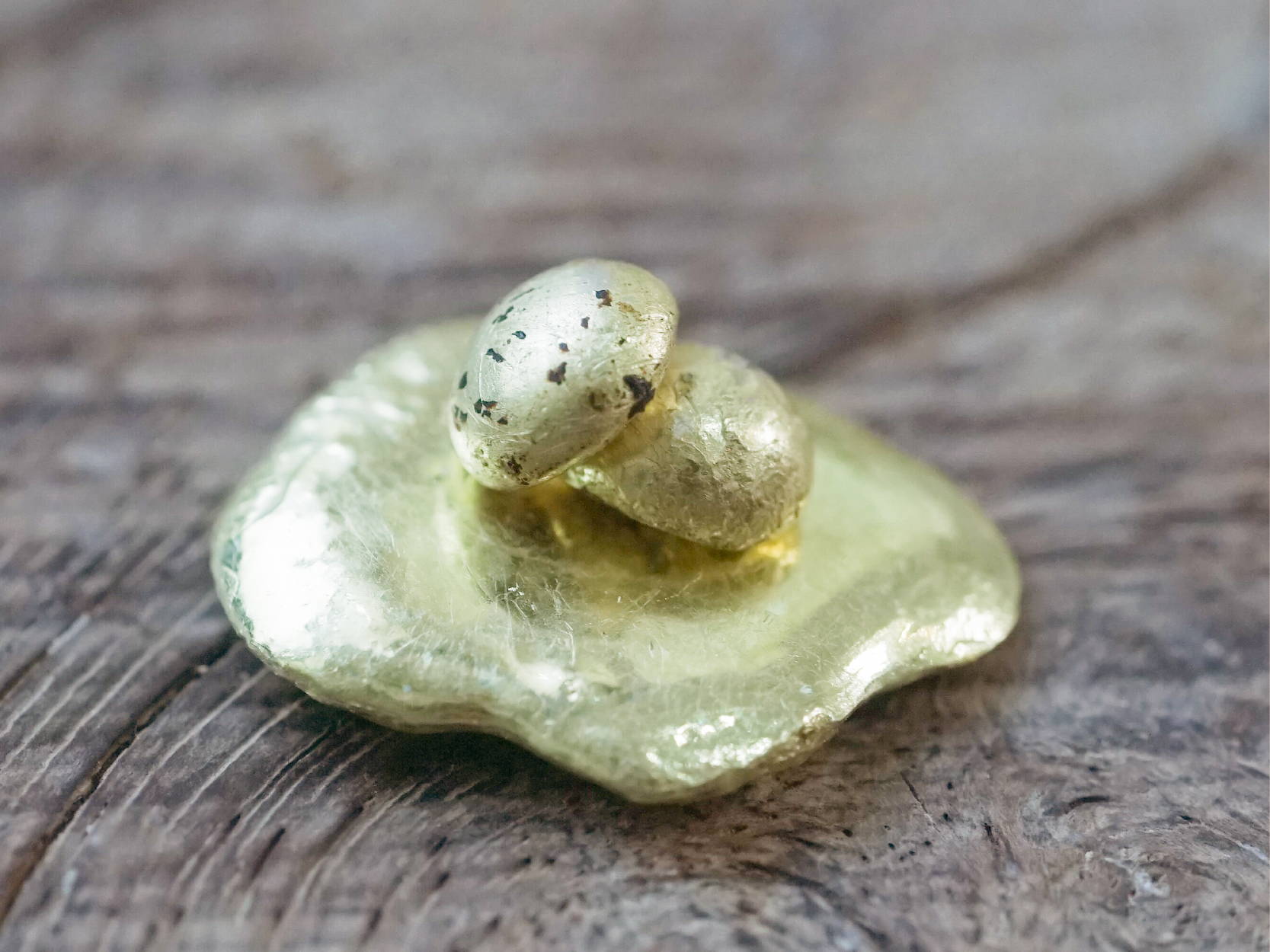
  • For engagement and wedding rings 
    18K is our choice
    . It has enough gold to feel meaningful, but enough alloy to last through the wild adventure called daily life. We use it for custom rings, fine details, and settings that need a touch of artistry. 14K is strong and fine for everyday wear and also a great option for engagement rings and wedding bands. 
  • For everyday chains, bracelets, or “I never take it off” jewelry 
  • 14K is tough for everyday wear, you get the look, but at a little lower price tag than 18K gold. 
  • For heirloom jewelry 
    18K hits the sweet spot for heirloom jewelry and family jewelry. High value, classic gold color, still wearable. If you want something that your grandchildren will argue over, 18K wins. 
  • For investments
    If you want a bar of gold that’s just for the vault go with 24K.

Why Gardens of the Sun uses only 18 karat gold

This is where we get a bit picky. 18K gold is the gold standard for handmade jewelry at Gardens of the Sun. Here’s why:
  • It’s malleable enough for our goldsmiths to create intricate, custom designs by hand from scratch and form bezels that hug a gemstone like a secret.
  • It holds its shape and detail better than softer, higher karat gold.
  • 18K has enough pure gold to make your jewelry valuable both financially and emotionally. The color is rich, warm and unmistakably gold.
  • We don’t use 10K or 12K because we don’t believe in cutting corners. We’re here for the kind of gold that lasts, looks great and feels like it matters.
  • We’ve considered also offering 14 karat gold jewelry, but each karat requires its own alloy mix and matching gold solder. As a small and independent jeweler making a limited amount of gold jewelry, we can only stick to one purity in 3 different colors. And we believe 18K offers the best balance for beautiful, lasting handmade jewelry.

How to care for your gold jewelry

  • Take it off when swimming in pools or cleaning with harsh chemicals (chlorine isn’t gold’s best friend).
  • Store each piece of gold jewelry separately. Gold can scratch gold, which is a little ironic. Especially gold that has a lower purity tends to scratch gold with a higher purity. 
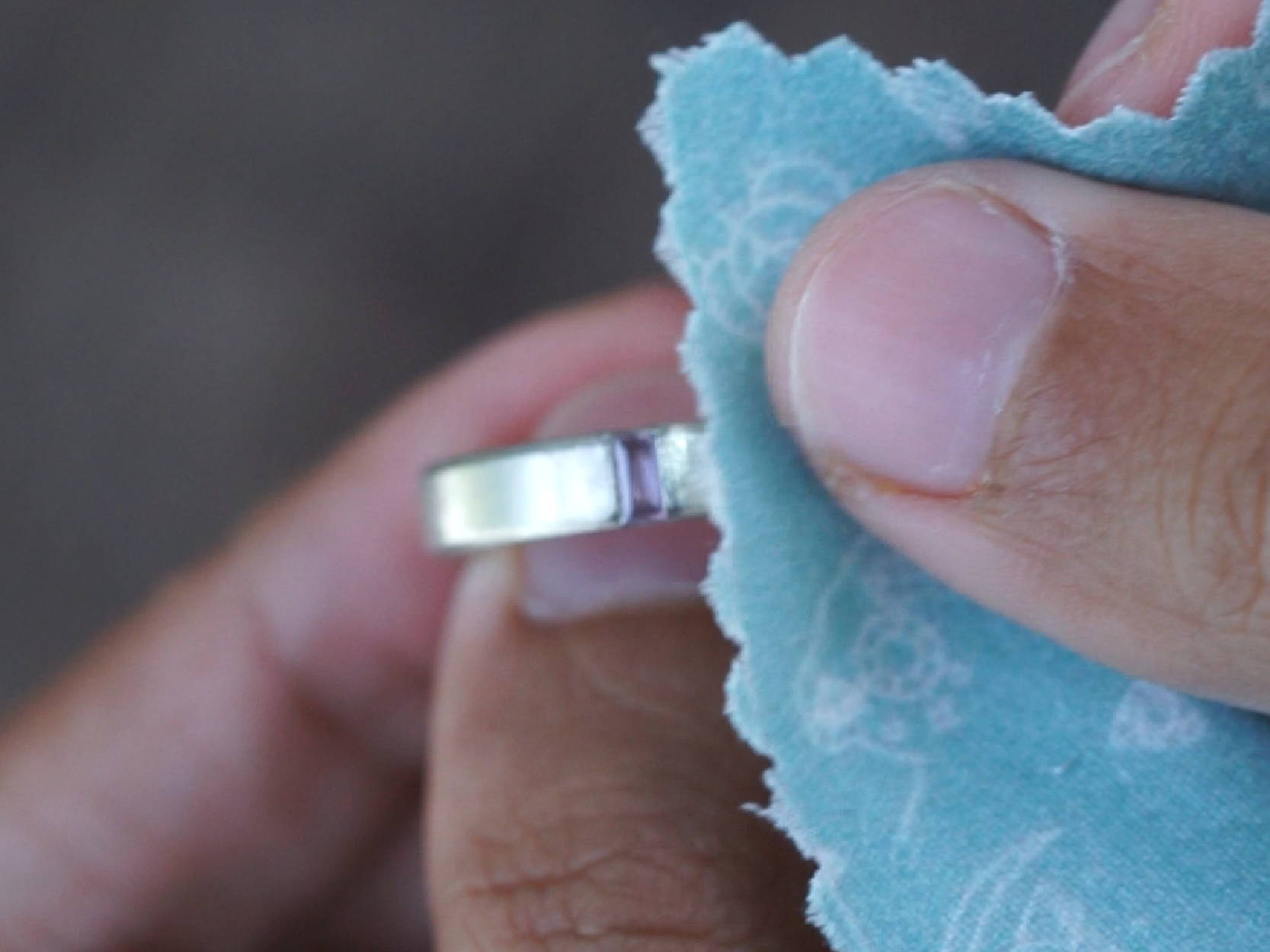
  • Wipe with a soft cloth after wearing. For white gold, get it re-plated every year or two to keep the finish bright.
  • Don’t chew on it, no matter what pirates or TikTok say.

The right gold karat for real jewelry

  • 22K/24K gold: Better for investments than for wearing. 
  • 18K gold: Our go-to for handmade, ethical, beautiful jewelry. The best mix of value, beauty and wearability.
  • 14K gold: Good for everyday, but a little less heirloom value. 
  • 10K gold: Best left for trophies and things you lose at the gym.

When in doubt, trust the karat that brings together tradition, value and strength, and makes your goldsmith smile. That’s why we work with 18K. For jewelry that isn’t just worn, but lived in.


Want to see what real 18K looks like? Explore our custom gold rings and ethical gold jewelry

Sale Off
Three Diamond Slice Ring in 18K Yellow Gold
Sale Off
Mystical Sapphire Ring in Ethical Gold - Gardens of the Sun | Ethical Jewelry
Sale Off
Double Rose Cut Sapphire Ring in Ethical Gold  - Gardens of the Sun | Ethical Jewelry
Sale Off
Pear Diamond Ring in White Gold - Gardens of the Sun | Ethical Jewelry
Sale Off
Brown Triangle Diamond Ring in Ethical Gold - Gardens of the Sun | Ethical Jewelry
Sale Off
Shield Diamond Ring Set - Gardens of the Sun | Ethical Jewelry
Sale Off
Triangular Diamond Ring in Ethical Gold - Gardens of the Sun | Ethical Jewelry
Sale Off
Canadian Kite Diamond Ring in Gold - Size 4.5 - Gardens of the Sun | Ethical Jewelry
Sale Off
Blue Diamond Slice Ring in Ethical Gold - Gardens of the Sun | Ethical Jewelry
Sale Off
Three Diamond Slice Ring in 18K Yellow Gold
Sale Off
Mystical Sapphire Ring in Ethical Gold - Gardens of the Sun | Ethical Jewelry
Sale Off
Double Rose Cut Sapphire Ring in Ethical Gold  - Gardens of the Sun | Ethical Jewelry
Sale Off
Pear Diamond Ring in White Gold - Gardens of the Sun | Ethical Jewelry
Sale Off
Brown Triangle Diamond Ring in Ethical Gold - Gardens of the Sun | Ethical Jewelry
Sale Off
Shield Diamond Ring Set - Gardens of the Sun | Ethical Jewelry

Gold Karat FAQs

Which karat of gold is best for jewelry?

We believe 18K is the sweet spot for jewelry. It offers a rich color, high gold content, and is still durable enough for daily wear and intricate designs. That’s why it’s the only gold we use at Gardens of the Sun.

What is 18K gold?

18K gold means the metal is 75% pure gold and 25% alloyed metals. It’s prized for its warm color and value, while still being practical for custom, handmade jewelry.

What is 14K gold?

14K gold is 58.3% pure gold, mixed with 41.7% other metals like silver and copper. It’s strong and affordable, but a bit paler in color than 18K. We prefer 18K for its richer tone and heirloom quality.

What does 9K gold mean?

9K gold is only 37.5% pure gold. It’s most common in the UK and Australia and is used for budget jewelry. You’ll see it stamped as “375.”

What is 10K gold?

10K gold contains just 41.7% pure gold, with the rest made up of other metals. It’s tough and inexpensive, but the color and feel don’t have the same impact as higher karats. Not our pick for jewelry with meaning.

How can I tell what karat my gold is?

Check for a stamp or hallmark inside your jewelry: “750” means 18K, “585” is 14K, “417” is 10K, and “375” is 9K. Some pieces will also have the “K” mark, like “18K.”

Is higher karat gold always better?

Not always. Higher karat gold is purer and has a deeper color, but it’s also softer and can scratch or bend more easily. 18K gold strikes the best balance of beauty, value, and everyday durability.

Is 18K gold good for everyday wear?

Yes. 18K gold is durable enough for daily jewelry and still maintains a rich, unmistakable color. Just avoid heavy manual labor or harsh chemicals to keep it looking its best.

What’s the difference between karat and carat?

Karat (K) measures gold purity. Carat (ct) measures the weight of gemstones like diamonds. Both are important, but they’re not the same thing.

Which is better for an engagement ring, 14K or 18K gold?

We recommend 18K gold for engagement rings. It’s beautiful, strong enough for daily wear and has a classic, timeless look for lifelong wear.

Why does my white gold ring look yellow?

White gold is usually plated with rhodium to give it a bright white finish. Over time, the plating can wear off, revealing the gold’s natural, slightly yellow color. A quick re-plating brings back the shine.

Can I wear 24K gold jewelry every day?

24K gold is almost pure gold, but it’s very soft and prone to bending or scratching. It’s best reserved for ceremonial jewelry or heirlooms that won’t see much daily wear.

Is 18K gold worth more than 14K gold?

Yes. 18K gold has more pure gold content, which makes it more valuable by weight. It also tends to have a richer color and feels more substantial.

What does 333 stamped on gold mean?

A "333" stamp on gold is the fineness mark. It means the jewelry is 8 karat (8K) and contains 33.3% pure gold. 333 gold is 8K, meaning it contains only 33.3% pure gold. It’s common in vintage European jewelry and is not widely used today.

What is the difference between yellow gold and white gold?

Yellow gold uses alloys like silver and copper to keep its classic golden hue. White gold is alloyed with white metals like nickel, palladium or zinc and then plated with rhodium for a white finish.

What gold is best for sensitive skin?

18K gold or higher is less likely to cause allergic reactions, especially when alloyed without nickel. With white gold, opt for palladium or platinum alloys to avoid allergic reactions to nickel.

Why do some gold rings look more yellow than others?

The karat and the mix of alloy metals affect the shade. Higher karat gold looks richer and deeper yellow. More silver or other white metals can lighten the color.

Does 14K or 18K gold tarnish?

Gold itself doesn’t tarnish, but the alloy metals might darken a little over time. A quick clean and polish will restore the shine.

What gold stamp means real gold?

Look for stamps like 750 / 18K, 585 / 14K, 417 / 10K or 375 / 9K inside your jewelry. These marks confirm the gold’s purity.

Which gold is most expensive?

24K gold is the most expensive per gram, followed by 22K and 18K. Jewelry value also depends on craftsmanship, design and gemstones.


SEE Related PostS