Your Cart is Empty

The Ethics of Sourcing Sapphires
You know what’s harder than choosing the right sapphire for your jewelry? Making sure it’s an ethical sapphire.
The truth: sapphire mining can be dirty. It can leave behind holes in the earth, forests stripped bare and miners without fair pay. And while sapphires have a cleaner reputation than diamonds, that doesn’t mean sapphire origin is automatically a free pass.
Are sapphires ethical? Sometimes. Are sapphires more ethical than diamonds? Not always. It depends where they come from, who mined them, and how.
The term ethically sourced sapphire gets thrown around a lot. But anyone can slap that label on a stone and you as a buyer are left to figure out if it’s marketing or reality. We want to break down the ethics of sapphire origin country by country, without sugarcoating. Because knowing the impact behind your ethical sapphire ring matters as much as what your ring looks like.
How does the origin of a sapphire affect its value?
Sapphires and rubies are siblings, both part of the corundum family. Same mineral, different trace elements, different colors. If you want to geek out on that, we’ve written a full guide to corundums where you can dive deeper.
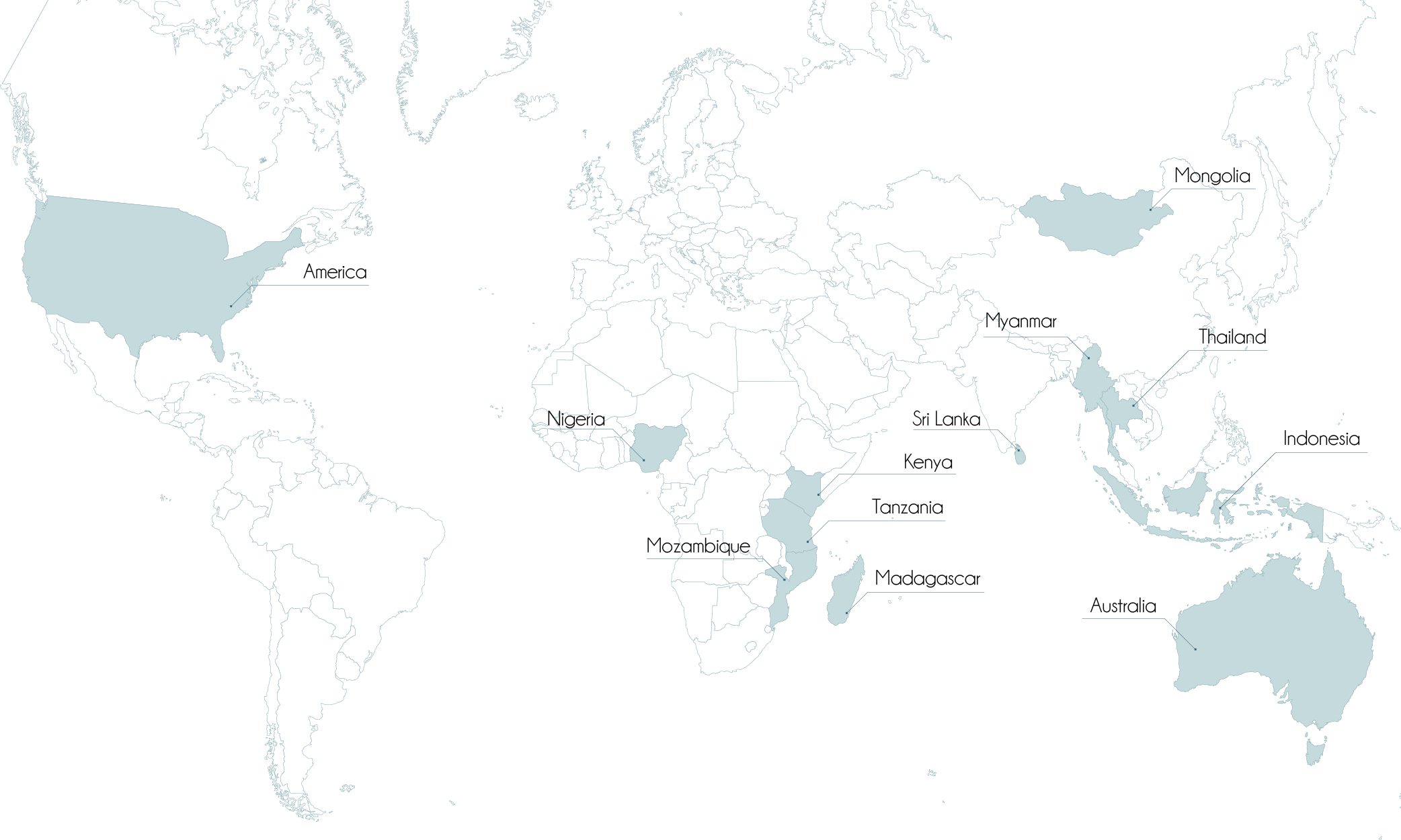
It’s tempting to think sapphires from a western country like Australia or the USA are automatically ethical sapphires. Regulations are in English, reports are polished and the marketing sounds reassuring. But just because it looks neat on paper doesn’t mean every sapphire coming out of the ground is clean.
The opposite is true too. Sapphires from Madagascar or Tanzania might have a messier reputation, but avoiding them completely can hurt artisanal miners who depend on sapphire mining for survival. The ethics of sapphire mining aren’t black and white.
Origin isn’t the only thing that shapes a sapphire. Many sapphires get a little treatment along the way. Heat can intensify color. More invasive treatments use borax flux, lead or beryllium to fill fractures and change a stone’s appearance. The more treatments involved, the harder it gets to trace a sapphire’s true origin. Curious what all these treatments mean for your jewelry? We’ve broken it down in our gemstone treatments guide.
Here’s a breakdown of major sapphire origins, the colors you can expect and what the ethics actually look like on the ground, so you can make decisions that align with your values.
Sapphire colors
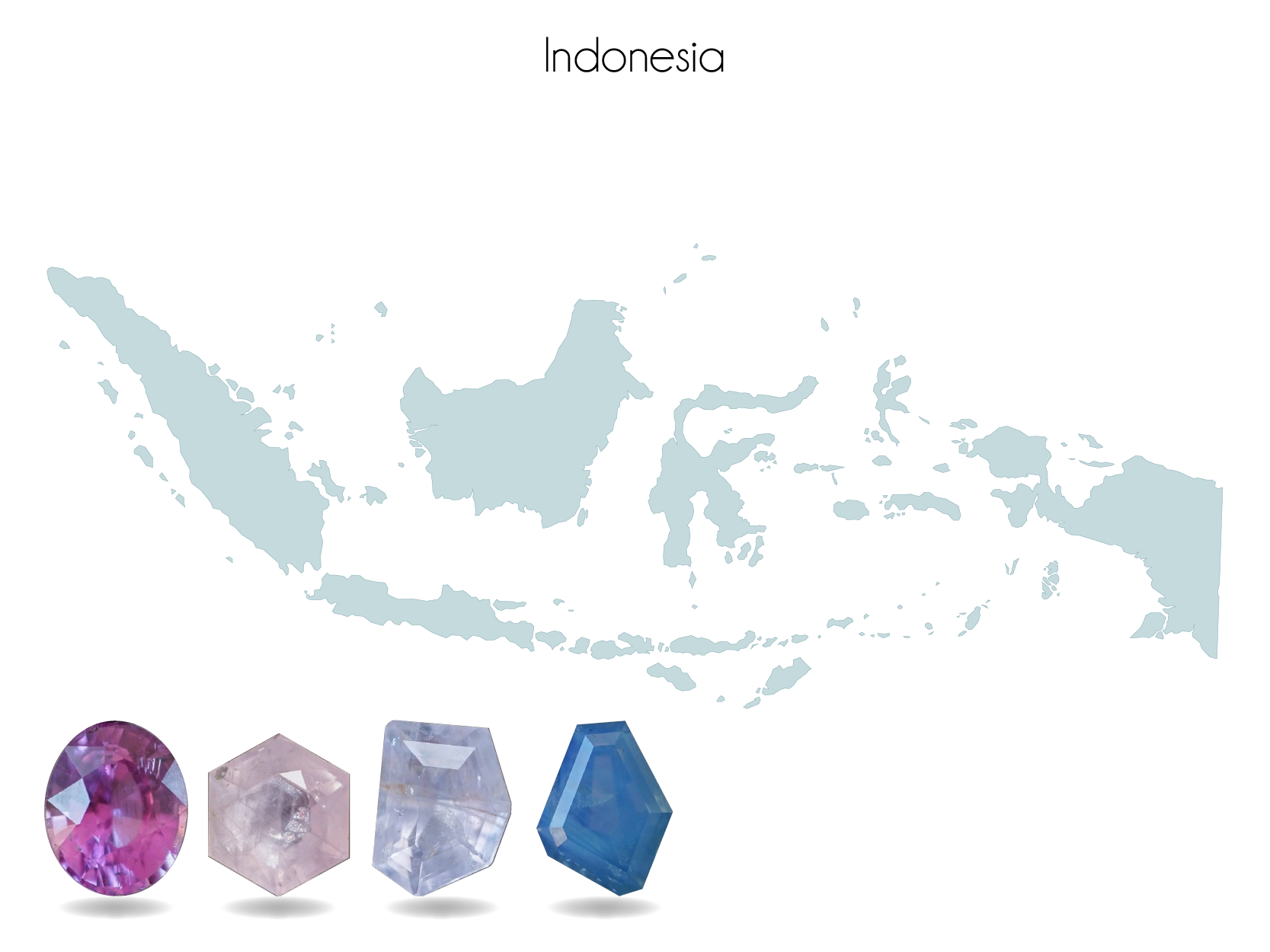
Sapphires from Indonesia are mostly pastel shades and star sapphires, with some vibrant pink sapphires too.
Ethics
★★★★☆
Sapphires from Indonesia are mined in alluvial deposits by indigenous Dayak miners with spades, wooden pans and a compressor. The process is slow and backbreaking, but it keeps the environmental impact low. There’s no heavy machinery tearing up the land. The miners sell directly to us, cutting the middlemen and ensuring fair prices. The downside? They don’t have formal land rights. That leaves the door open for big mining operations to swoop in and take over. Ethical, yes, but fragile.
Artisanal mining ✓
No heavy machinery ✓
No open pit mining ✓
No child labor ✓
Fair and safe working conditions ✓
Post mining rehabilitation ✗
Government regulations ✗
Conflict free ✓
No deforestation ✓
Sapphire colors
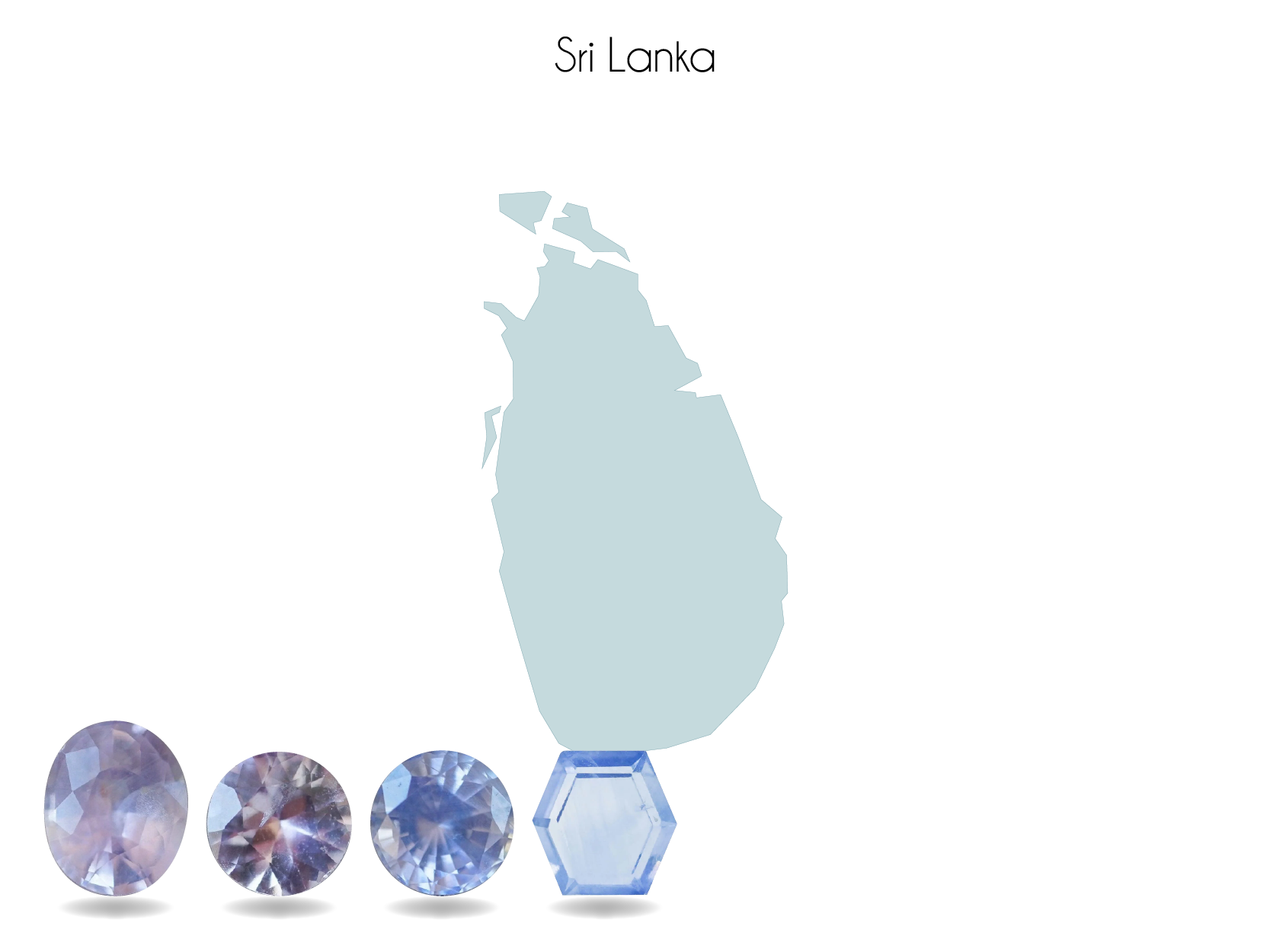
Clean, bright and vivid colors.
Ethics
★★★★★
Sri Lanka has long been famous for its sapphires, often traded as Ceylon sapphires, a name that comes from the island’s old colonial title, Ceylon. These sapphires are known for their vivid blues and high clarity, which is part of why they carry such prestige in the jewelry world.
On the ethics side, Sri Lanka does better than many other origins. Large scale mechanized mining is banned, so most sapphires come from artisanal miners working in small groups. The government has clear regulations in place and, compared to many sapphire origin countries, they’re enforced relatively well. Post mining land rehabilitation is required.
Still, it isn’t flawless. Profit sharing systems can be uneven and like anywhere, corruption can creep in. But overall, sapphires from Sri Lanka tend to have a stronger record of ethical sourcing than many other countries.
Artisanal mining ✓
No heavy machinery ✓
No open pit mining ✓
No child labor ✓
Fair and safe working conditions ✓
Post mining rehabilitation ✓
Government regulations ✓
Conflict free ✓
No deforestation ✓
Sapphire colors
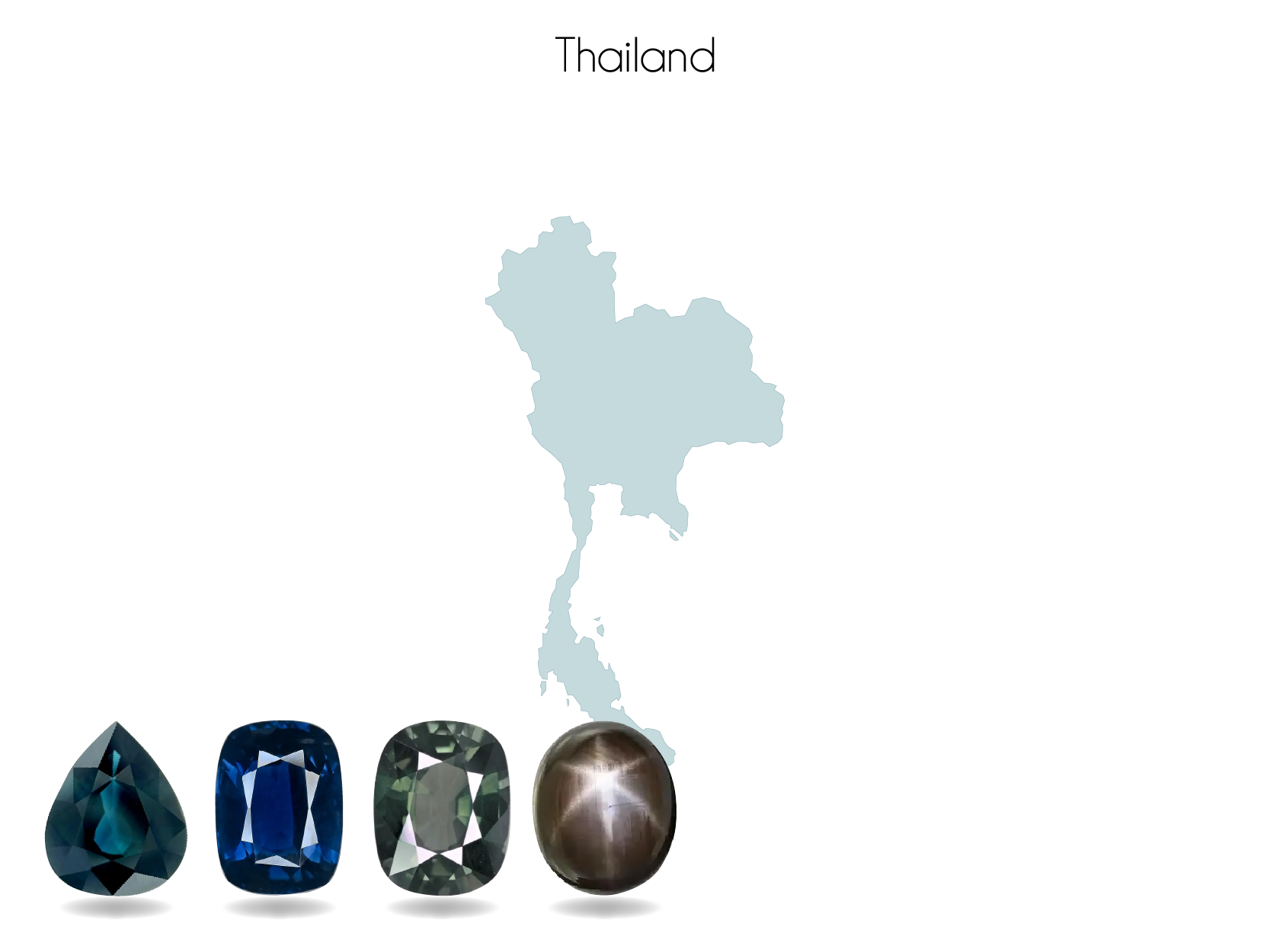
Thai sapphires are often dark, inky blues and greens that carry a kind of moody charm.
Ethics
★★★★☆
Artisanal mining is common and government oversight exists. Where Thailand falls short is land recovery: there’s little to no rehabilitation after mining stops. The gems may be captivating, but the land doesn’t always get the care it deserves.
Artisanal mining ✓
No heavy machinery ✓
No open pit mining ✓
No child labor ✓
Fair and safe working conditions ✓
Post mining rehabilitation ✗
Government regulations ✓
Conflict free ✓
No deforestation ✓
Sapphire colors
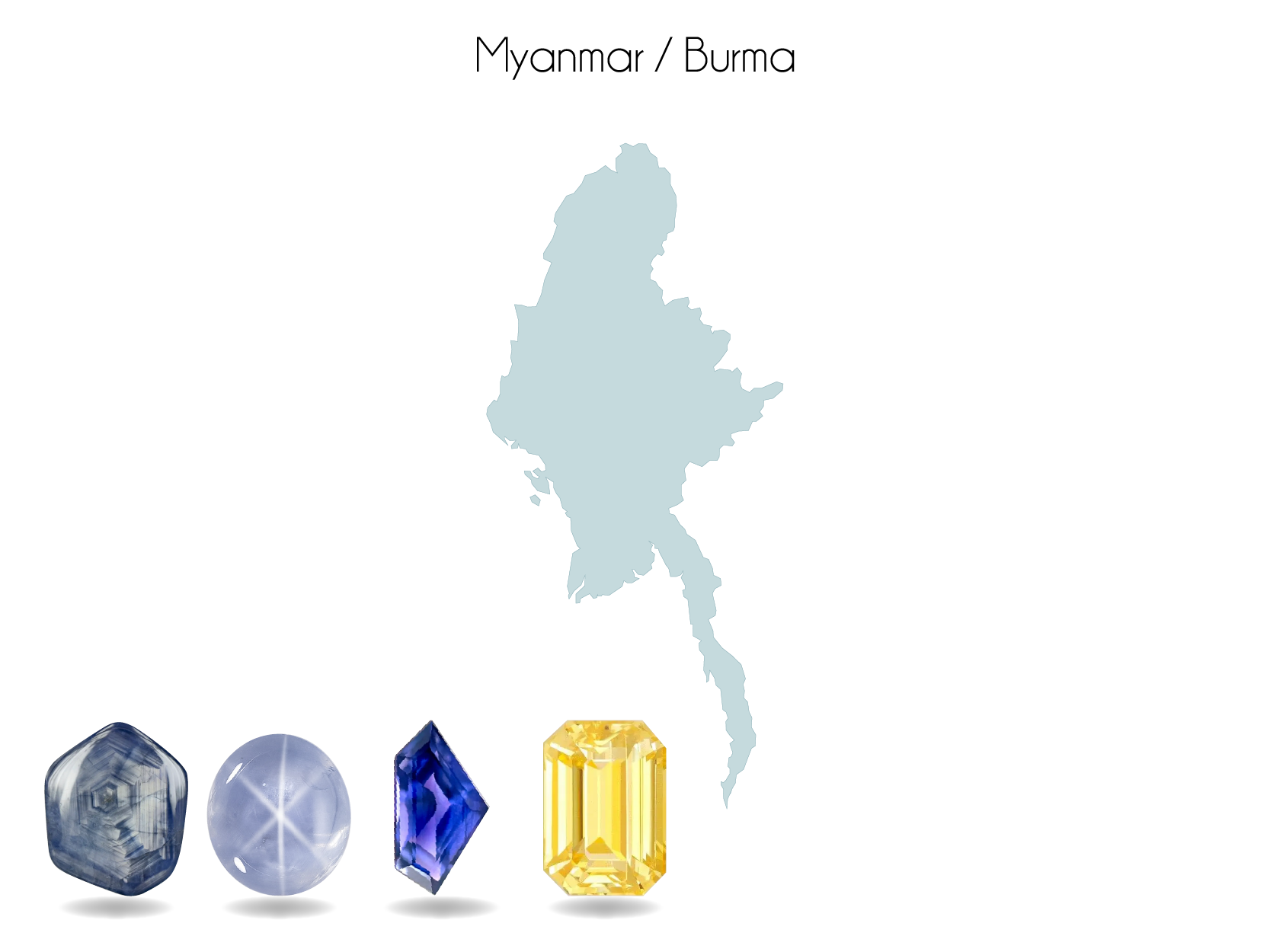
Myanmar sapphires are among the most beautiful in the world, with that royal blue that makes gem collectors go wild.
Ethics
★★☆☆☆
The ethics are murky at best. The sapphire trade here has long been linked to corruption, unsafe working conditions and even violent conflict. While there are artisanal miners who depend on this income, the wider picture is troubling. Buying from Myanmar often means supporting a system that exploits both people and land.
Artisanal mining ✓
No heavy machinery ✗
No open pit mining ✓
No child labor ✗
Fair and safe working conditions ✗
Post mining rehabilitation ✗
Government regulations ✗
Conflict free ✗
No deforestation ✓
Sapphire colors
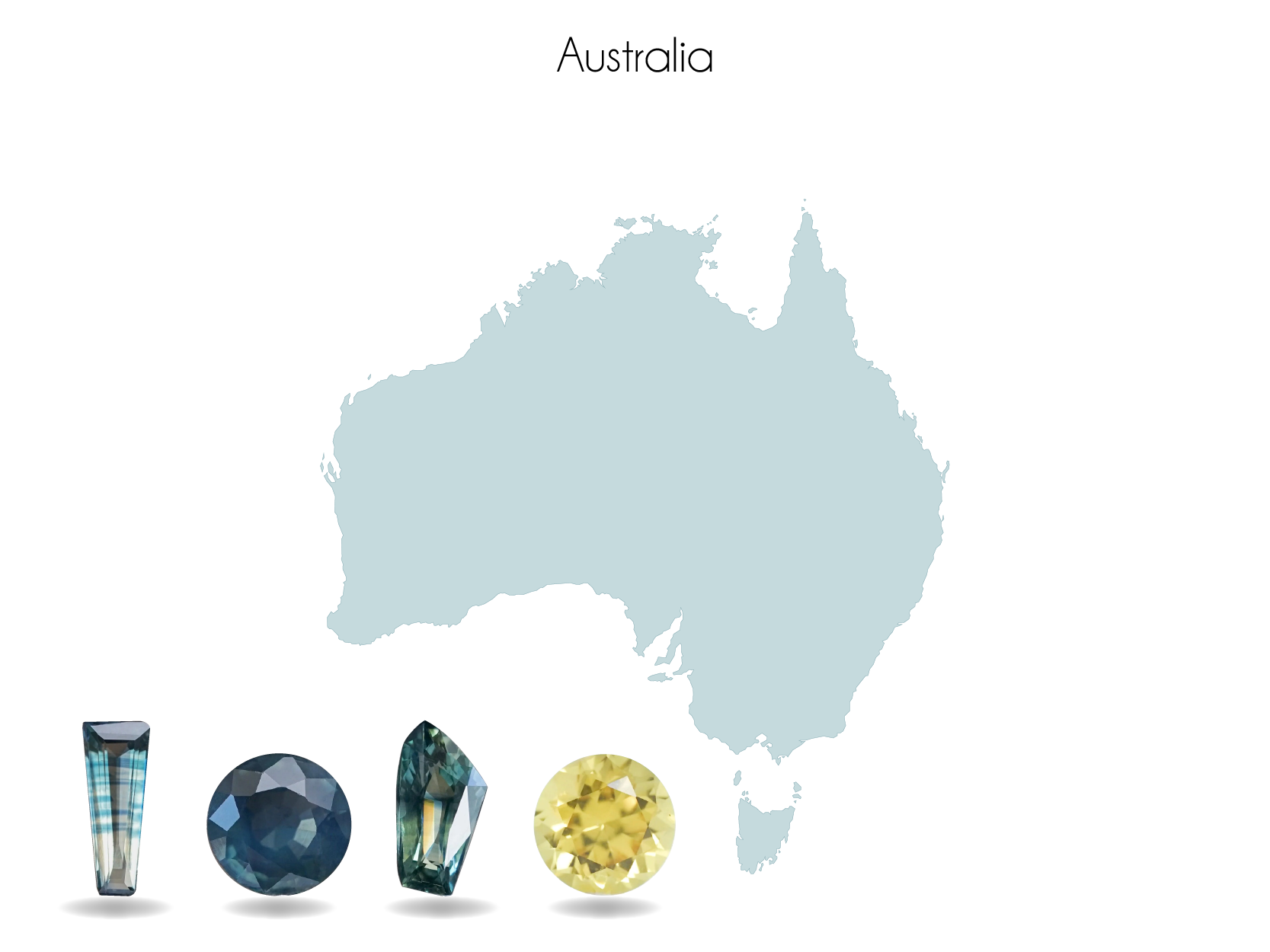
Australia is home to parti sapphires, those multicolored gems that flash blue, green and yellow in one stone.
Ethics
★★★★★
The mining industry here is highly regulated, with strict labor standards and environmental protections. Rehabilitation after mining is enforced, and corruption is far less of a concern. If you’re looking for an origin with a strong ethical track record, Australia is one of the safest bets.
Artisanal mining ✓
No heavy machinery ✓
No open pit mining ✓
No child labor ✓
Fair and safe working conditions ✓
Post mining rehabilitation ✓
Government regulations ✓
Conflict free ✓
No deforestation ✓
Sapphire colors
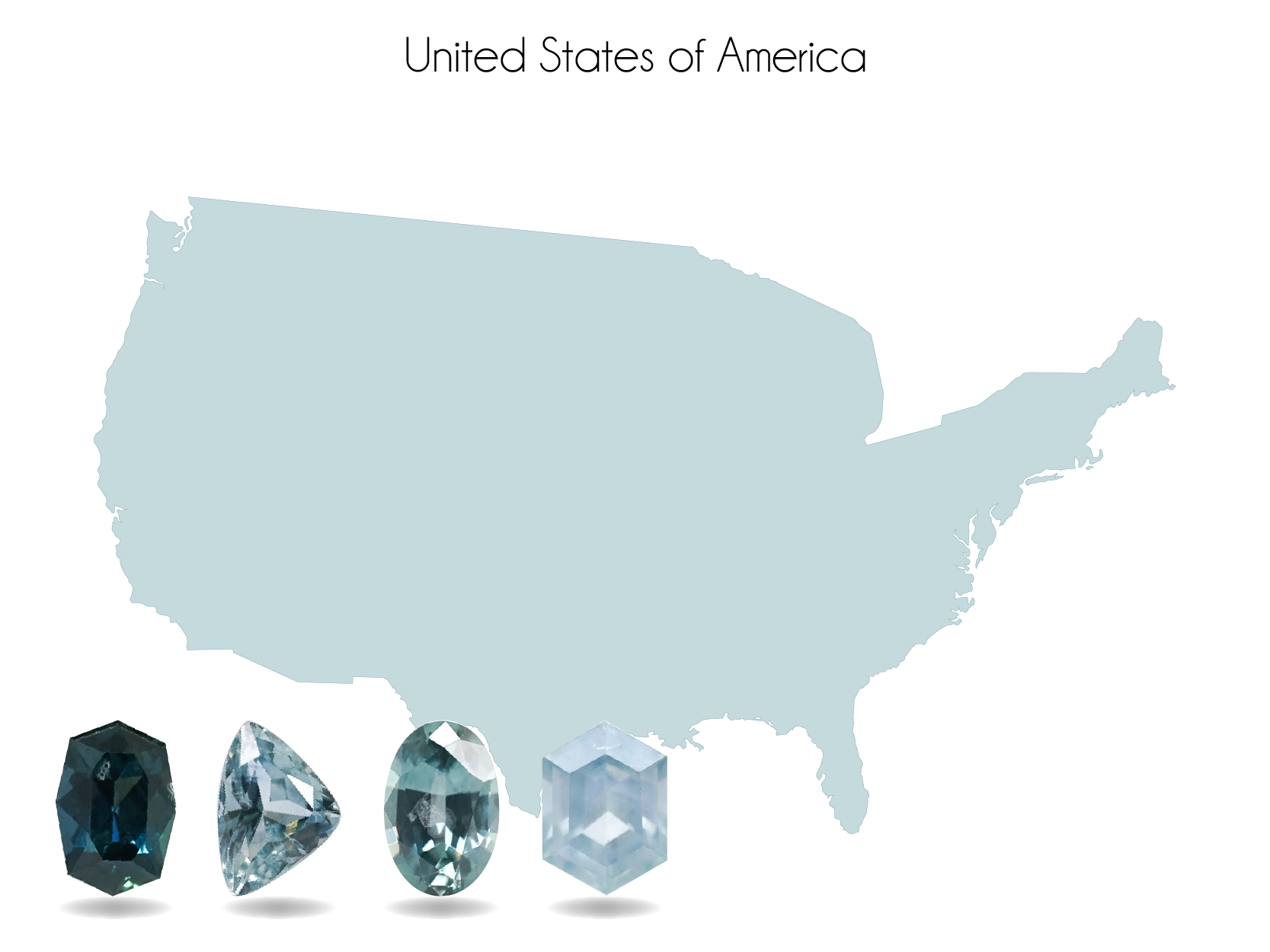
Montana sapphires are usually light and airy shades of blue, green, or purple, as well as yellows and oranges.
Ethics
★★★★★
The mining sector in Montana has a strong record of fair labor practices and environmental responsibility. These sapphires are often smaller and pricier than those from other origins, but they’re some of the most reliably ethical stones you can buy.
Artisanal mining ✓
No heavy machinery ✓
No open pit mining ✓
No child labor ✓
Fair and safe working conditions ✓
Post mining rehabilitation ✓
Government regulations ✓
Conflict free ✓
No deforestation ✓
Sapphire colors
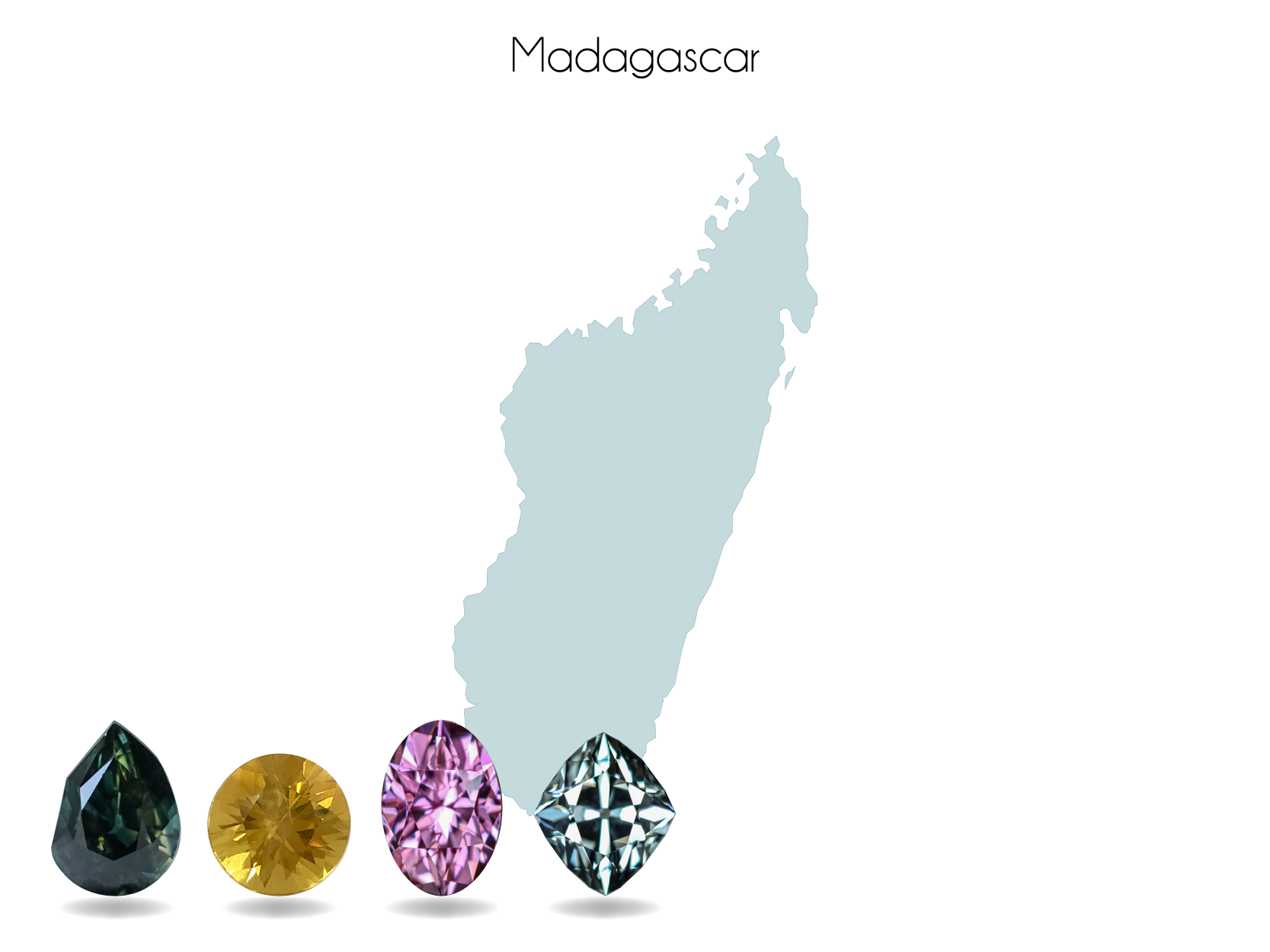
Madagascar produces a huge share of the world’s sapphires, including its famous color changing varieties.
Ethics
★★★☆☆
Sourcing from Madagascar is complicated. Many mines are illegal or unregulated, deforestation has been tied to sapphire mining and wealth distribution is deeply unequal. At the same time, sapphire mining provides jobs in one of the poorest countries in the world. There are legitimate efforts to improve conditions, but progress is slow. Buying from Madagascar can support livelihoods, but it also carries risks for both people and the environment.
NGO reports have shown that sapphire mining in Madagascar has contributed to deforestation. We can’t ignore that. So whenever we source gemstones from Madagascar, we plant extra trees there to offset the risk. It’s not a perfect solution, but we do address one of the major issues while still supporting artisanal miners in a weak economy.
Artisanal mining ✓
No heavy machinery ✓
No open pit mining ✓
No child labor ✓
Fair and safe working conditions ✓
Post mining rehabilitation ✗
Government regulations ✗
Conflict free ✓
No deforestation ✗
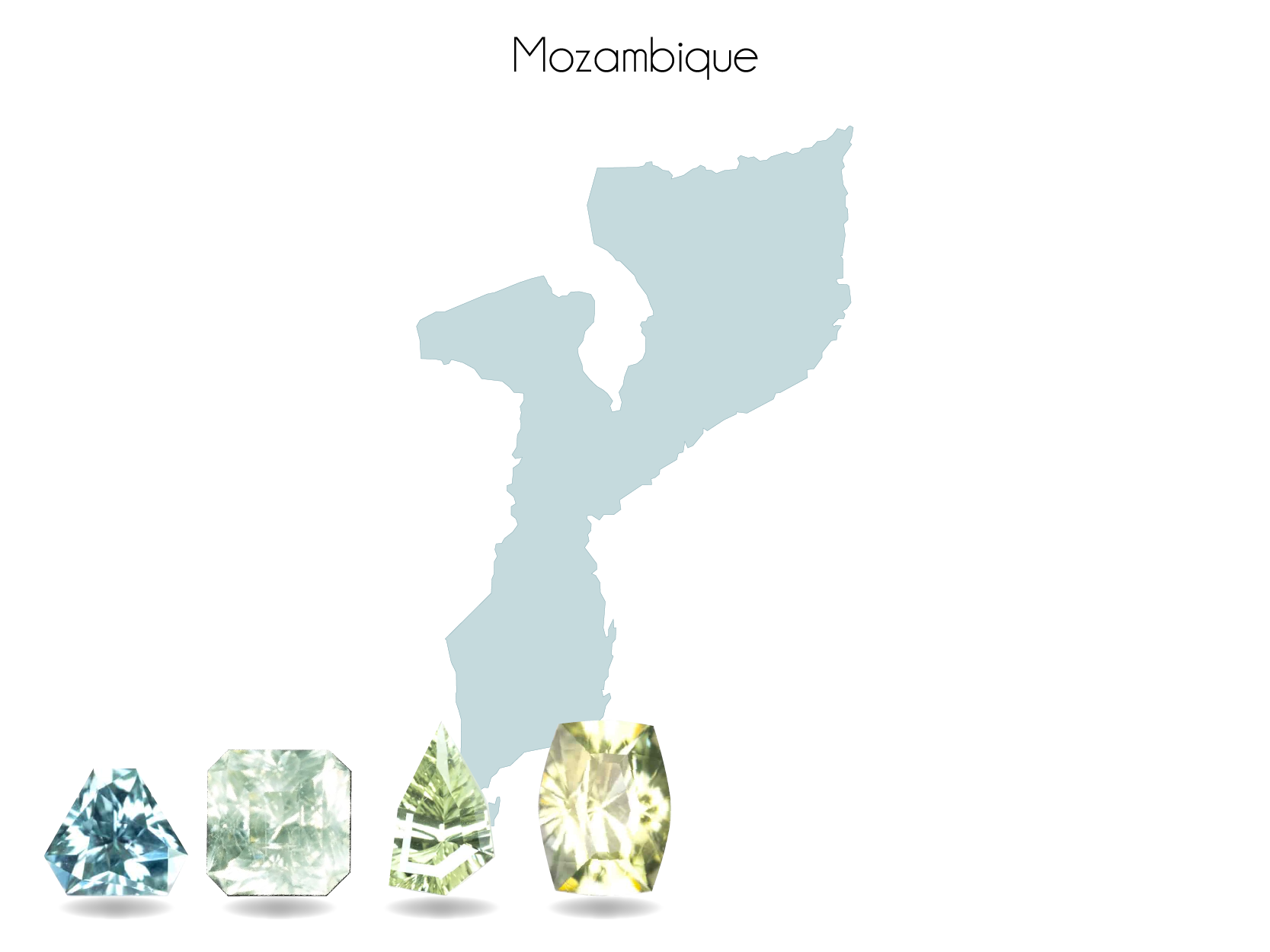
Sapphire colors
Mozambique is known for fiery red rubies and pink sapphires that can stop you in your tracks.
Ethics
★★☆☆☆
Mining ethics in Mozambique raise red flags. Large mining operations have been linked to human rights abuses and unsafe conditions. While there are artisanal miners working fairly, some big corporations haven't been playing fair. The overall picture makes this origin a risky choice unless you know exactly who mined the stone and under what conditions.
Artisanal mining ✓
No heavy machinery ✗
No open pit mining ✓
No child labor ✗
Fair and safe working conditions ✗
Post mining rehabilitation ✗
Government regulations ✗
Conflict free ✗
No deforestation ✓
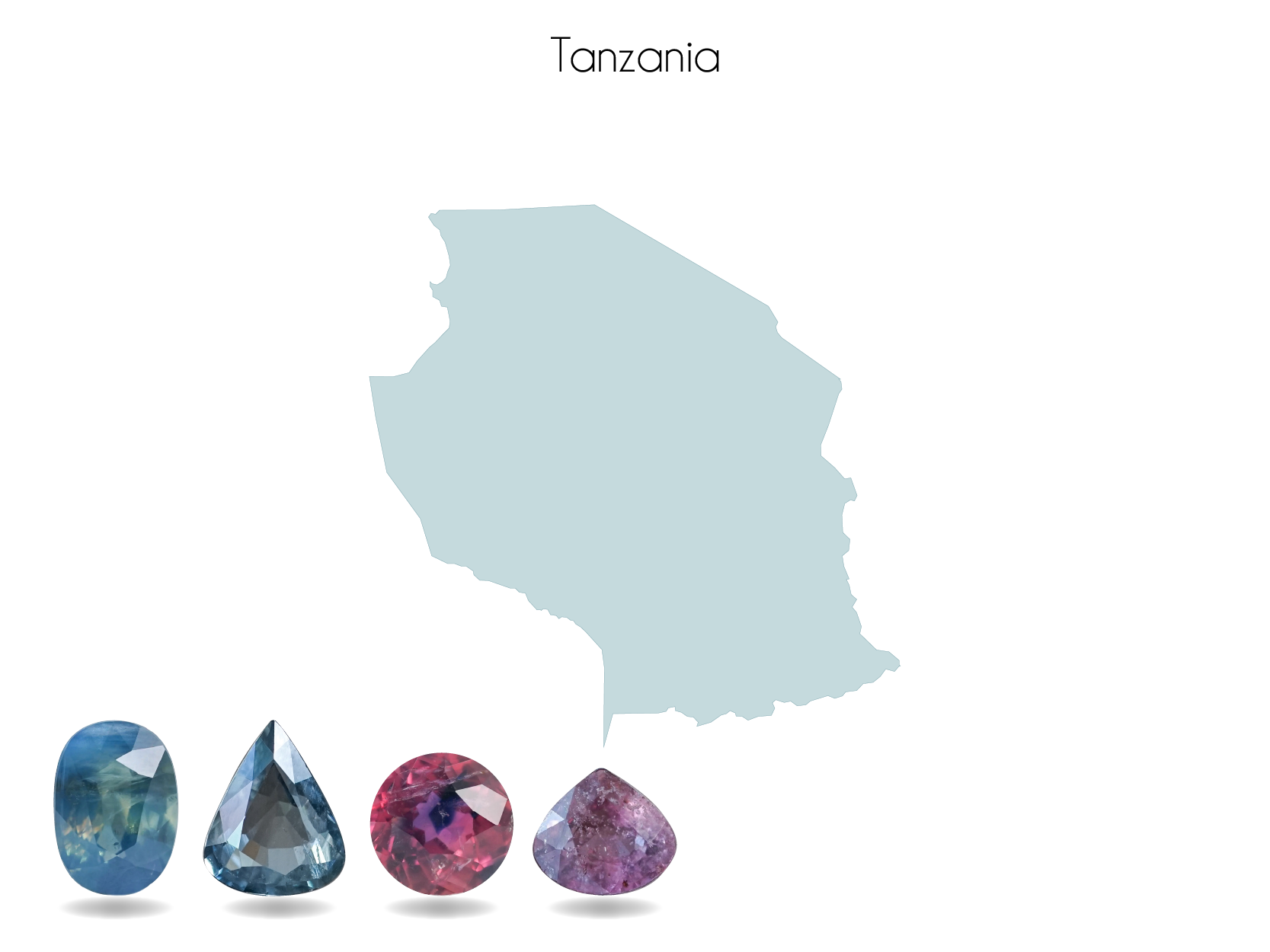
Sapphire colors
Tanzania is known for color change sapphires that shift from blue to violet, and for the famed Winza sapphires with their vivid purples and pinks. Unheated sapphires from Tanzania often show greenish or fairyland purple tones, unusual colors that feel a little otherworldly.
Ethics
★★★☆☆
Sapphire mining sustainability in Tanzania is mixed. There are policies in place to regulate mining, yet enforcement is patchy. Reports of child labor and unsafe working conditions still surface, even as NGOs and governments work toward better practices. There’s potential for improvement, but it’s far from perfect. We plant trees in Tanzania as part of our tree planting efforts and have made donations to organisations supporting education for kids to help offer alternatives to child labor.
Artisanal mining ✓
No heavy machinery ✗
No open pit mining ✓
No child labor ✗
Fair and safe working conditions ✗
Post mining rehabilitation ✗
Government regulations ✓
Conflict free ✓
No deforestation ✓
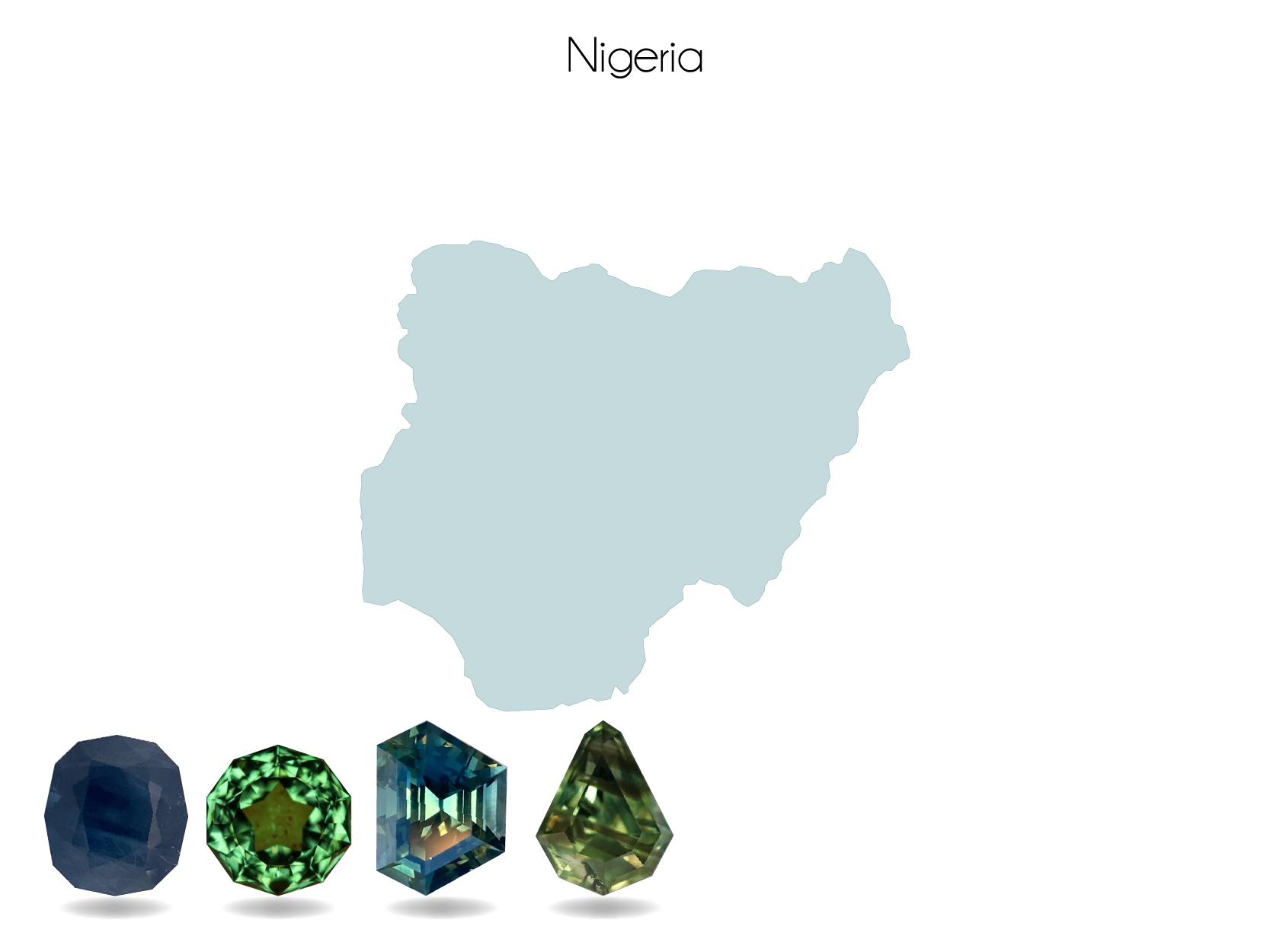
Sapphire colors
Nigeria offers sapphires in a rainbow of colors, from vivid blues to multicolored stones that look like wearable sunsets.
Ethics
★★☆☆☆
Nigeria has a troubling sapphire mining record. Child labor, unsafe mining conditions and low pay are common. The only way to buy Nigerian sapphires responsibly is through supply chains that know the miners personally and can verify fair working conditions. Without that, the risks are high.
Artisanal mining ✓
No heavy machinery ✓
No open pit mining ✓
No child labor ✗
Fair and safe working conditions ✗
Post mining rehabilitation ✗
Government regulations ✗
Conflict free ✗
No deforestation ✓
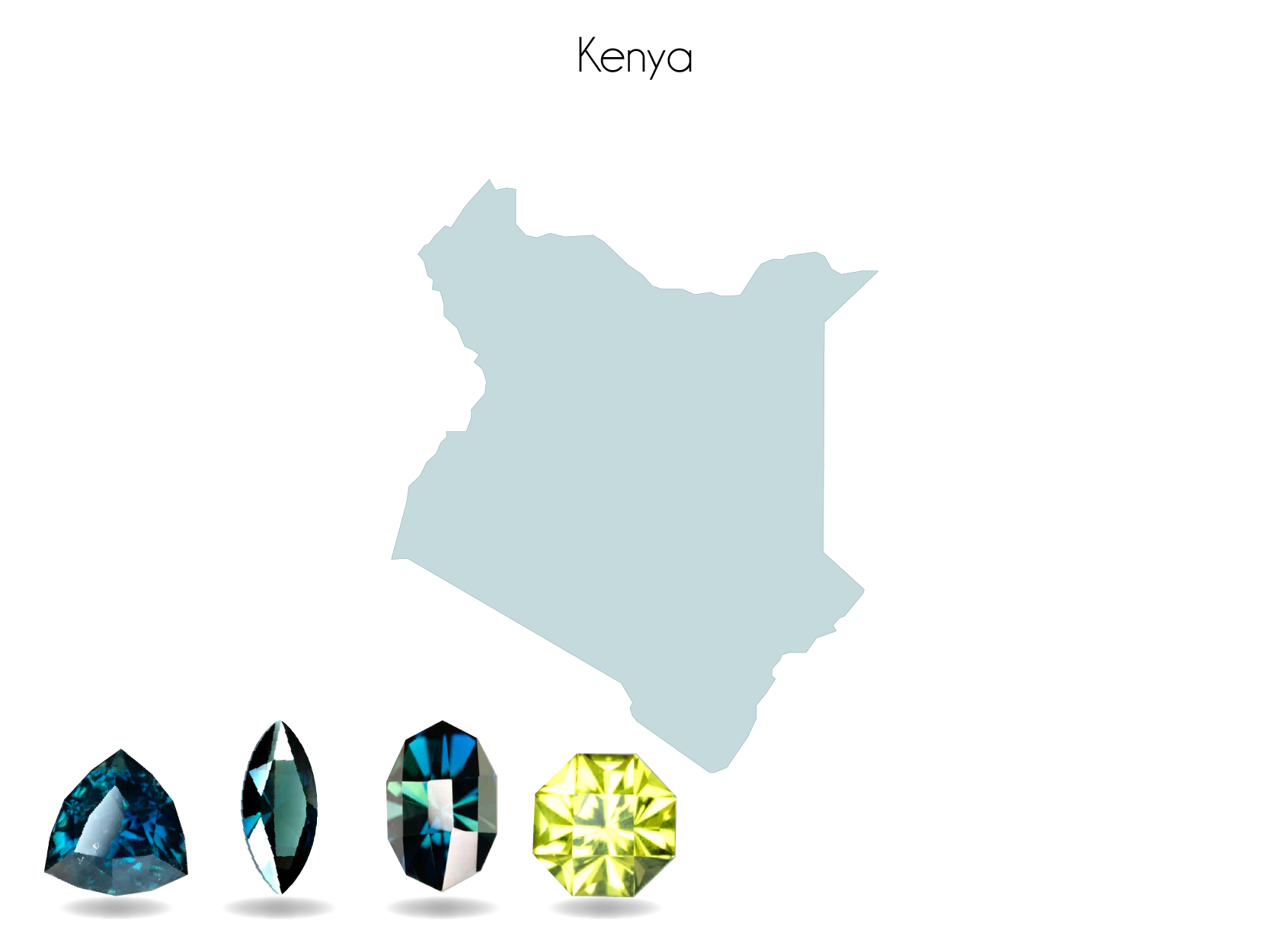
Sapphire colors
Kenyan sapphires come in sunset shades of blues, greens, oranges and yellows.
Ethics
★★★☆☆
The government has regulations in place, but enforcement is inconsistent. Some mines operate responsibly, others less so, and environmental protections remain weak. Sapphires from Kenya can be a good value, but they don’t yet carry the same ethical weight as those from Sri Lanka or Montana.
Artisanal mining ✓
No heavy machinery ✗
No open pit mining ✓
No child labor ✓
Fair and safe working conditions ✗
Post mining rehabilitation ✗
Government regulations ✓
Conflict free region ✓
No deforestation ✗
Ethical sapphire sourcing depends on more than just where a sapphire comes from. The sapphire origin matters, but so does the supply chain after the mine. An ethical sapphire ring carries a story of fair labor, safe cutting practices and transparent trade.
Every sapphire has an impact. Mining reshapes landscapes, shifts economies and affects entire communities. That impact can be harmful, helpful or somewhere in between. Oftentimes, it’s all three for various aspects. What makes a sapphire ethical is the willingness to trace it, question the story behind it and share that story openly.
Mining sapphires will never be impact free. But transparency, traceability and honest sourcing matter more than promises.
To find out if a sapphire is ethical, start with the origin. A seller should be able to tell you the sapphire origin country. Here are some questions you can ask the seller or your jeweler about the sapphire you’re eyeing, or browse their website to find out their general sourcing practices.
A sapphire is never just a gem. It holds beauty, yes, but also the story of where it came from, who mined it, who cut it and who profits from it. Choosing an ethically sourced sapphire means weighing that beauty against impact. It means asking harder questions and refusing to settle for easy answers. And while no origin is perfect, you deserve the truth about sapphire origin and ethics rather than the marketing spin.
No origin is flawless. But transparency matters, traceability matters, honesty matters. And that’s what we’re here for. At Gardens of the Sun, we source sapphires following our inhouse system with gemstone origin risk assessment, ensuring low sourcing risk.
If you're ready for a sapphire ring that feels just as meaningful as it looks, start with one that’s traceable. One that’s rooted in real relationships rather than empty claims. One that tells the full story. And if you're looking for a sapphire ring that tells a story worth wearing, we’d love to show you what’s in our vault.


