Your Cart is Empty

The Complete Guide to Every Shade, Origin and Meaning
Let’s clear something up about sapphire colors. If you thought sapphire just meant blue, you’re in for a treat. Sapphires are the chameleons of the gemstone world, slipping from indigo to peach, teal to violet and sometimes multiple colors in a single stone.
Here’s everything you never knew you needed to know about sapphire colors: the science, the origins, the wild mutations (hello, color change and parti sapphires) and why your dream sapphire might just surprise you.
Welcome to the world of colors of sapphire stones.
Sapphires get their rainbow status from their chemistry. The mineral behind every sapphire, corundum, is naturally colorless. Trace elements sneaking in during formation give us every color you can imagine, except for red (that’s a ruby).
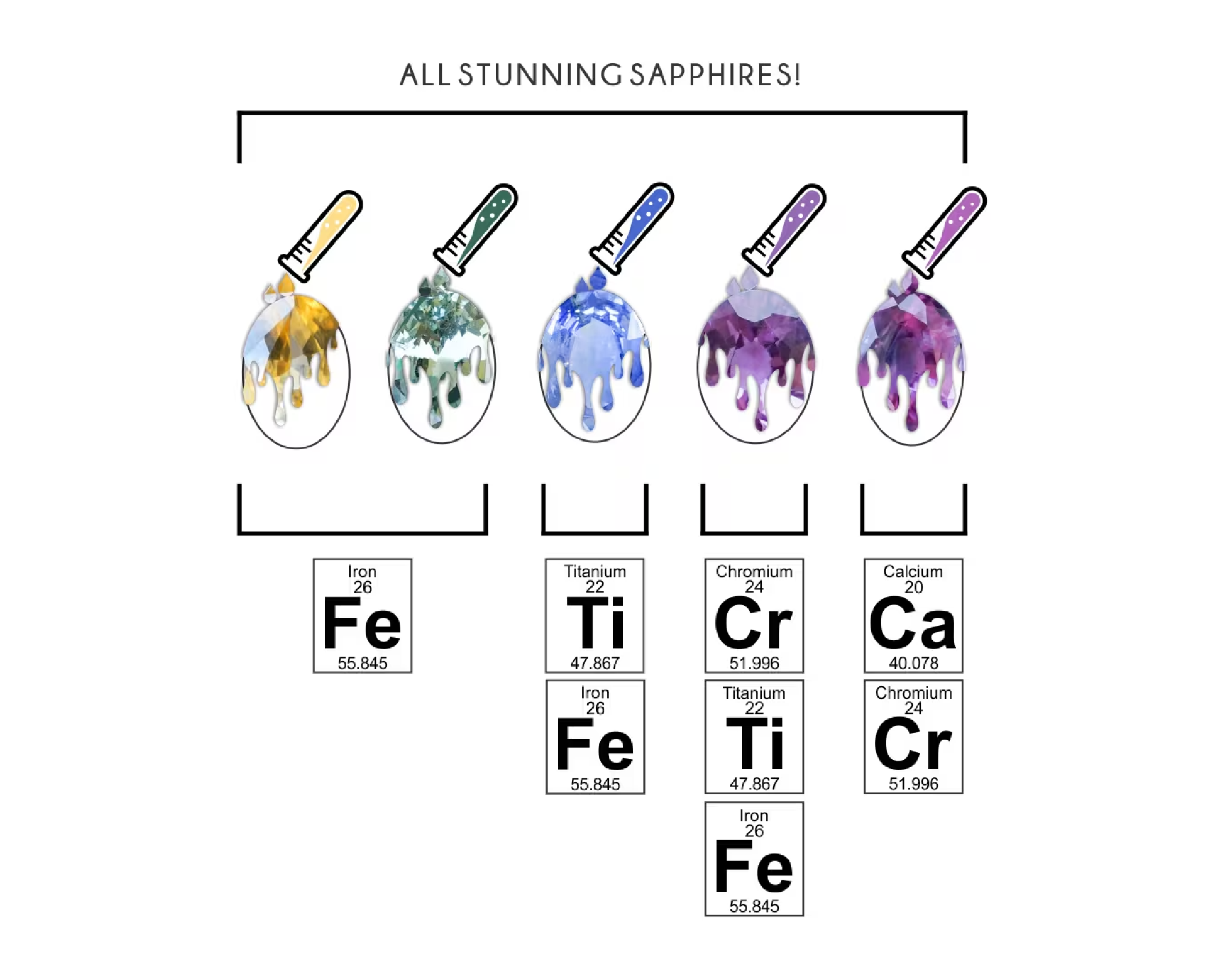
Sometimes, two or three of these gatecrash the same crystal, creating multicolor or “parti” sapphires. Sometimes, the color shifts in different light: the original mood ring.
That’s why you’ll see so many sapphire hues, from the palest ice to the richest velvet blue. This isn’t lab magic (though lab grown sapphires play the same game). It’s millions of years of Earth having fun with minerals.
You asked “What colors do sapphires come in?” Let’s take a tour.
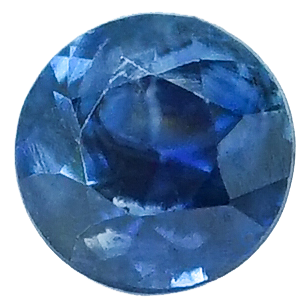
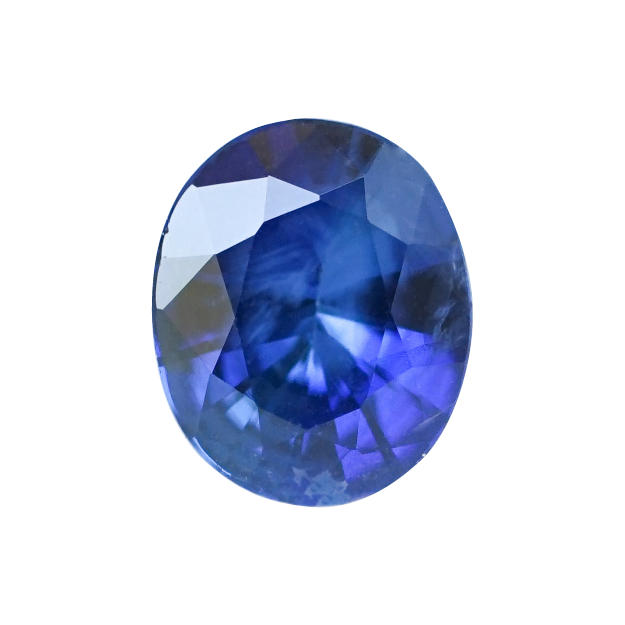
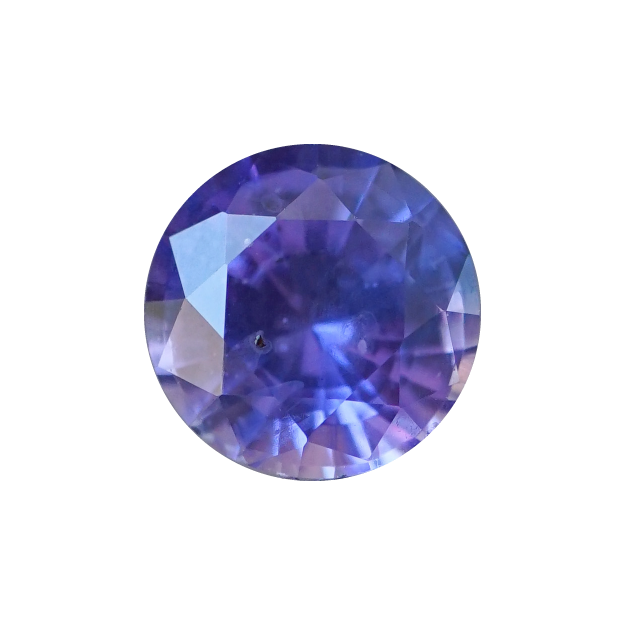
Blue is the celebrity. This is the color that launched a thousand engagement rings and one very famous royal wedding. But not all blues are equal. Some lean periwinkle, some go almost black. Cornflower blue and velvet blue sapphires from Kashmir and Sri Lanka are the stuff of legends (and the highest auction bids).Montana sapphires offer teal, denim, even steely grayish blue. Indonesian Kalimantan blues can be a moody gray or streaked with lighter tones. Thai blue sapphires tend to be darker and more opaque.
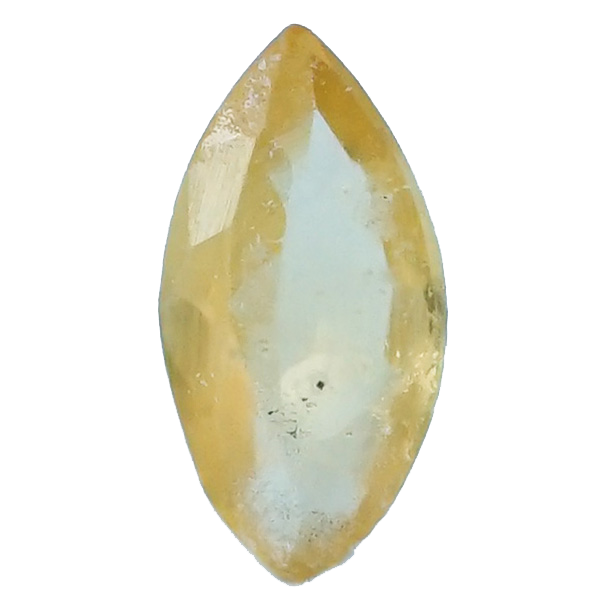
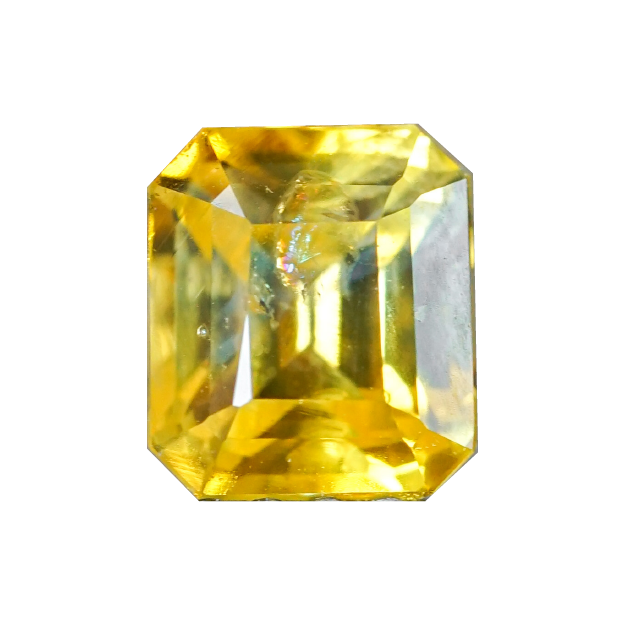
Warm, sunny and a little bit unexpected.Yellow sapphires owe their glow to iron and make for optimistic engagement rings. Sri Lankan “Ceylon” yellows are especially prized. We love Australian yellow parti sapphires with streaks of blue.
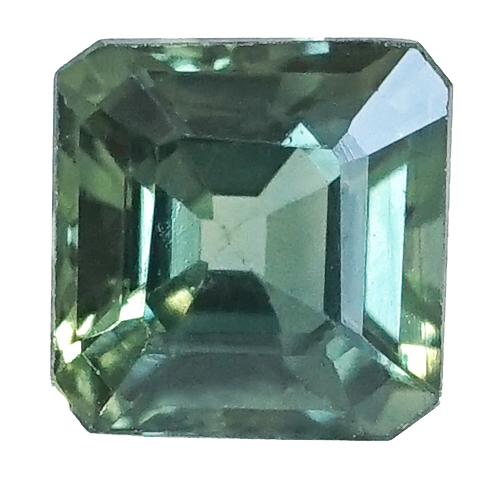
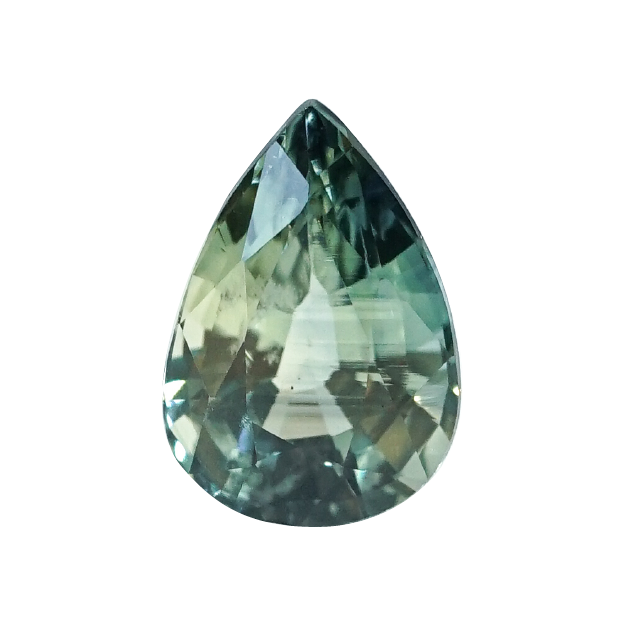
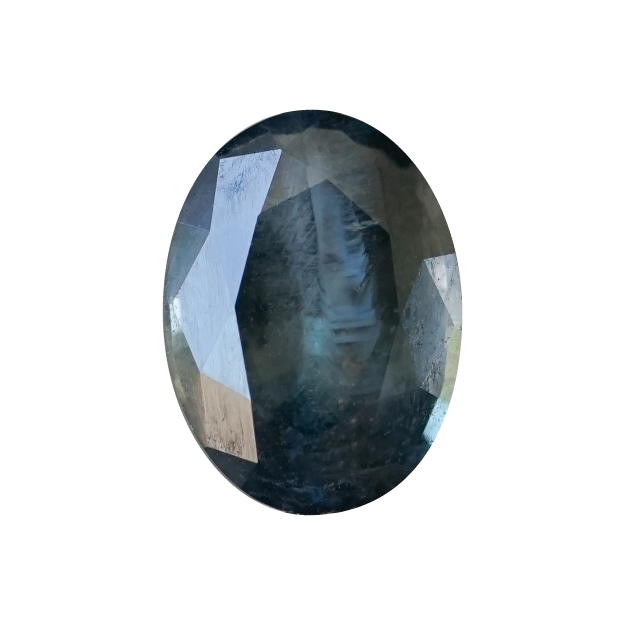
Iron heavy and refreshingly earthy,green sapphires are having a moment. They’re mossy, olive, or minty, depending on their mood and where they grew up. For the rebel who doesn’t want to wear “typical” gems.
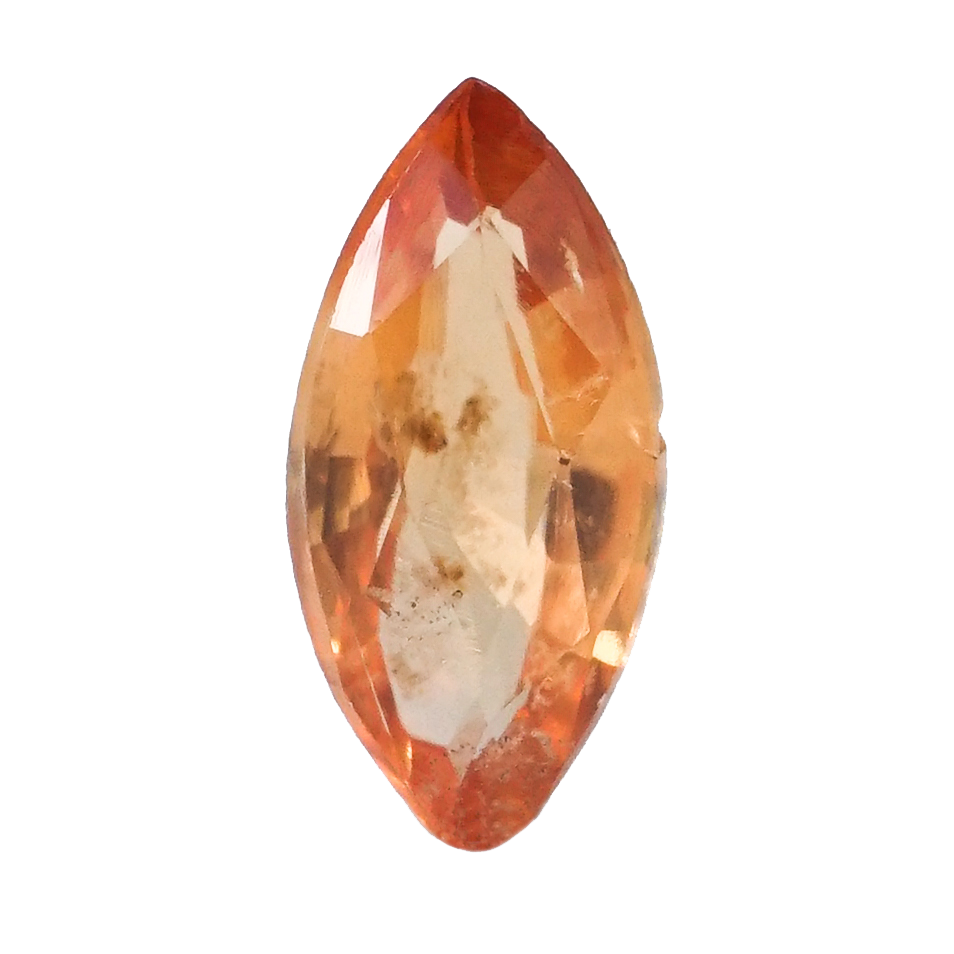
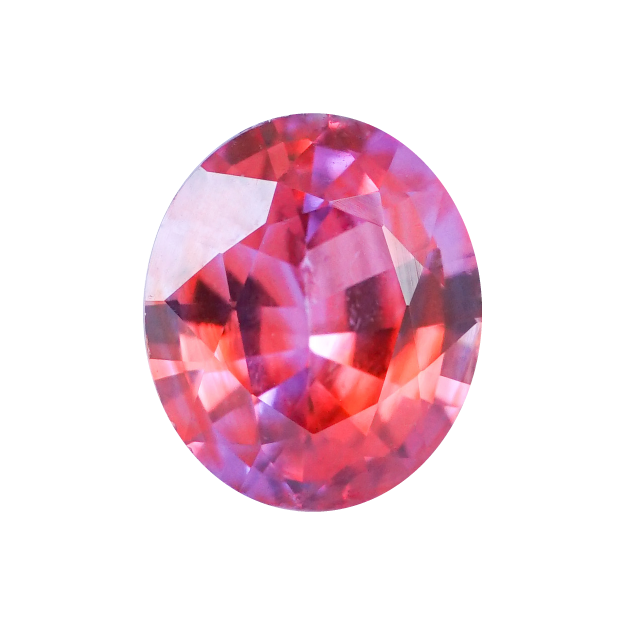
Padparadscha is the unicorn. A rare, salmony blend of pink and orange, mostly from Sri Lanka and Madagascar. If you ever see one in the wild, don’t blink. Orange sapphires, meanwhile, turn up the volume. Fire, spice and sunsets.
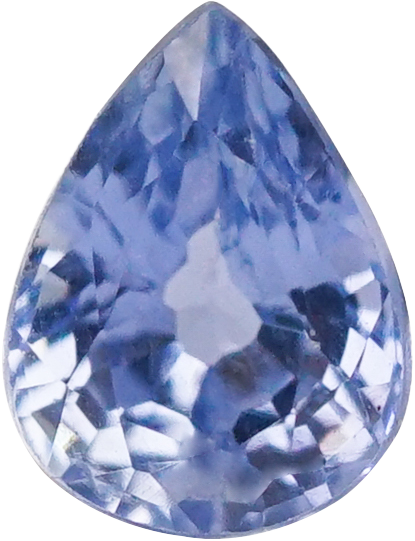
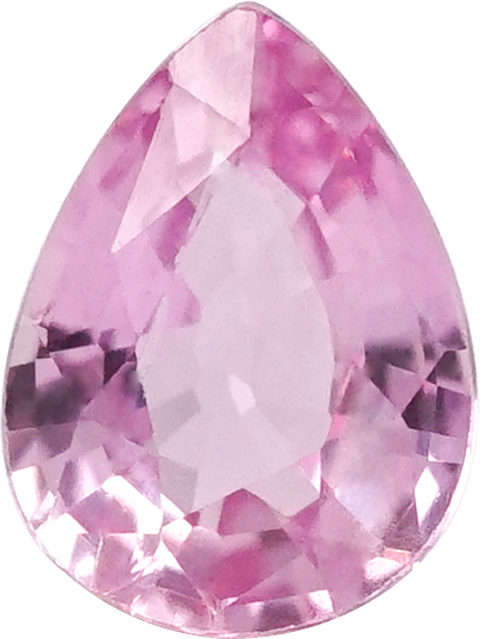
From blush to magenta, pink sapphires are all about romance and joy. A little chromium turns corundum into something utterly sweet. The dividing line between pink sapphire and ruby is hotly debated, but who cares, when it looks this good?
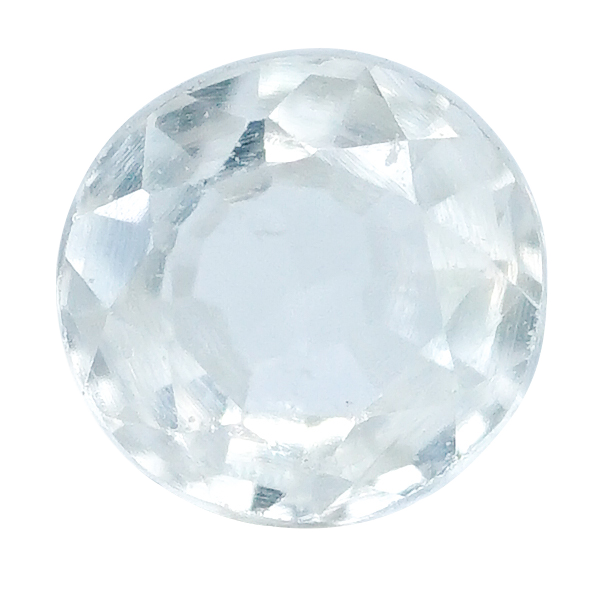
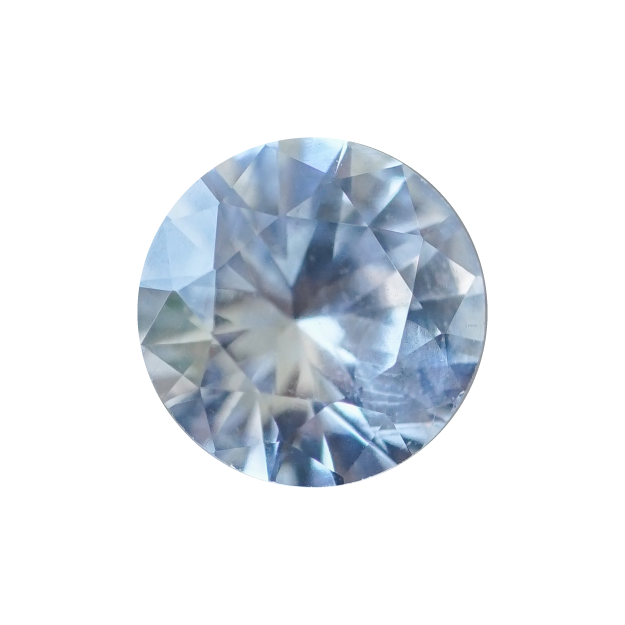
Pure corundum, with no color at all. Colorless sapphires are often used as diamond alternatives in ethical jewelry, but have a softer, mistier glow.
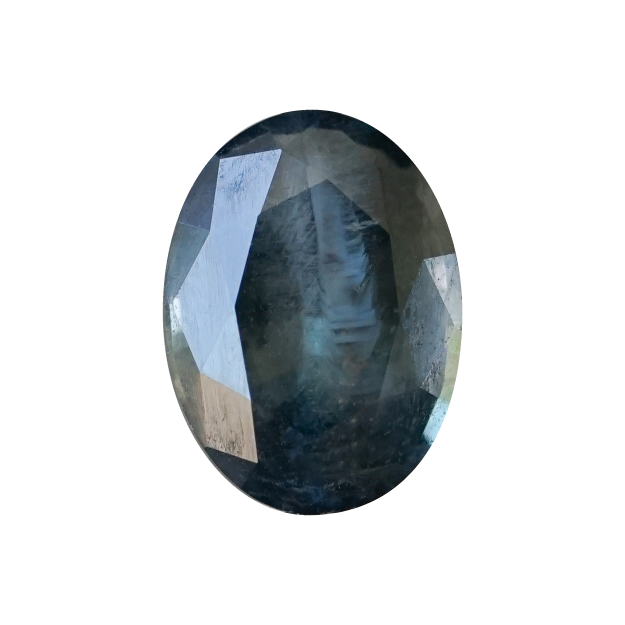
Opaque, dense and full of mystery. Australia is the home of black sapphires, where inky darkness comes from dense inclusions. No sparkle, all attitude.
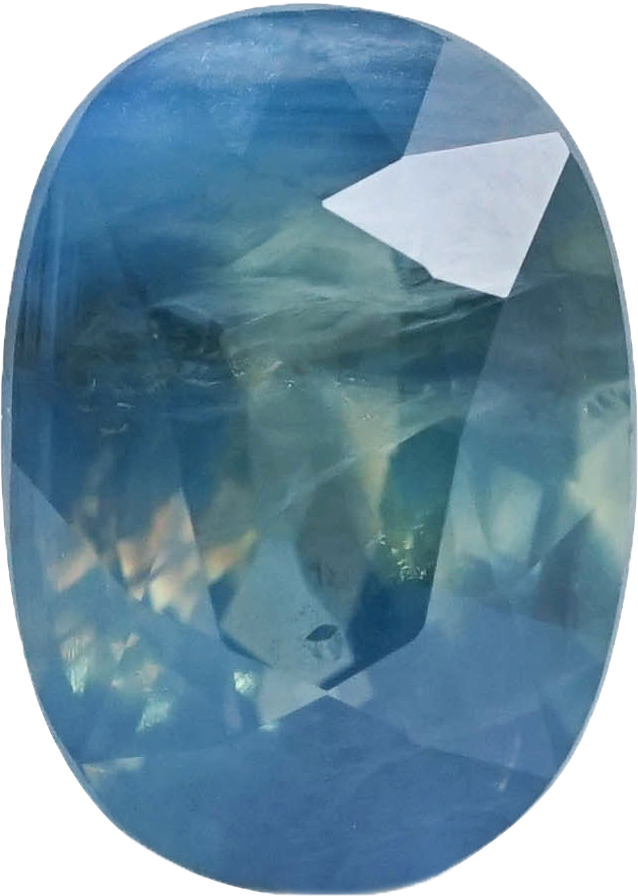
Parti sapphires, bicolor and tricolor sapphires and color change sapphires are where things get wild. Let’s dive in!
Now for the weird and wonderful. If you want a sapphire that feels like a one-in-a-million story, here’s your cheat sheet:
One sapphire, two colors, split straight down the middle or swirling together. Sometimes it’s blue and green, sometimes yellow and teal, sometimes all at once. Bicolor sapphires are always conversation starters.
Like a gemstone Neapolitan. Three distinct colors, often seen in Australian and Madagascar stones. Sometimes subtle, sometimes bold stripes. True tricolor sapphires are collector gold.
The Australian icon. Parti sapphires are multicolor stones, usually a blend of yellow, blue, and green, all in one crystal. Each one is totally unique, and the color split can be striking or subtle. If you want a ring that nobody else can possibly own, this is it.
Winza sapphires burst onto the scene from a single, small mining area in Tanzania. What sets Winza sapphires apart? Many of them display natural bicolor zoning with vivid swirls of pink and blue that almost look unreal. If you ever see a sapphire that looks like it’s been painted with two (or three) bold strokes, you might be looking at Winza.
The shape shifters. These rare sapphires shift from blue in daylight to violet or purplish under warm, indoor light, all thanks to vanadium and chromium. The effect is subtle, but magical. A gemstone for indecisive days.
Not every sapphire color you see is natural. Most sapphires are heat treated to deepen or clarify their hue. Some treatments are centuries old (just add fire or heat with a blow pipe) others, like beryllium diffusion, are newer and more controversial.
Heat is the most common and longest used treatment in the sapphire world. The stone is heated at very high temperatures to intensify its color or remove unwanted brown or gray tones.
Heat treatment can make a pale blue sapphire deeper, or a cloudy stone clearer. It’s generally accepted in the trade and the result is stable. Many beautiful natural sapphires are heat treated. Untreated sapphires are rarer, which is why they usually command higher prices.
With beryllium diffusion the beryllium penetrates into the stone during high heat treatment and changes its color throughout a large portion of the crystal. That means the color will not simply “wear off” with polishing or time.
That said, diffusion treated sapphires are significantly less valuable than natural or heat treated ones because the color is no longer the result of natural geological processes alone. The appearance can be very pretty, especially in oranges, yellows and some vivid pinks, but the value structure is completely different.
Irradiation is less common for sapphires, but it is sometimes used to create or intensify certain colors, particularly yellow and some unusual hues.
The problem is stability. Irradiated colors are not always permanent. Over time or with exposure to light and heat, the color can fade or shift. Because of this, irradiated sapphires are much less common on the high end market and should be clearly disclosed when sold.
Here’s the short version:
At Gardens of the Sun, we’re upfront about all gemstone treatments. If a sapphire has been treated, you should know how and why. If it’s untreated, we’ll tell you that too.
Every sapphire holds a passport. Where it formed shapes its color, its inclusions, even its vibe.
The OG blue: soft, velvety, vivid. The rarest and most valuable, almost mythical now, from the Himalayas in India.
A spectrum of colors, from the classic Ceylon blue (bright, crisp) to glorious padparadscha. If you want range, Sri Lanka is sapphire central.
The new star. Madagascar produces every color under the sun, often with exceptional clarity.
Home of the bold. Parti sapphires, deep greens, and blues that sometimes verge on black. These stones are rugged and full of attitude.
Blue, teal, green, yellow and everything in between. Montana sapphires are prized for their unique, steely tones and “denim” blue. Yogo sapphires (from the Yogo Gulch) are prized for their cornflower blues with purple undertones.
Hot zone for orange, yellow, and violet sapphires. Songea stones are famous for their intense colors and color change magic.
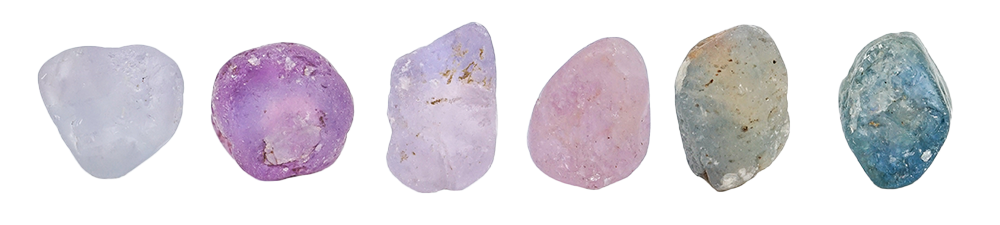
Our home turf. Kalimantan sapphires, from the Indonesian part of Borneo island, are often pastel colored and many of these are star sapphires. These are unheated and fully traceable, sometimes down to the miner and the cutter.
Nigeria has emerged as a significant producer in the past two decades, especially for beautiful blue sapphires, often with a rich, velvety color. You’ll also find fine yellows and rare bi and parti colored sapphires. Nigerian stones sometimes resemble the famed Kashmir blues, and they’ve become highly sought after for their quality and color.
Thailand is famous for its long gem cutting tradition, but it also produces its own sapphires, especially from the Chanthaburi and Kanchanaburi regions. Thai sapphires often come in deep blue and yellow green tones. Thailand is also a global sapphire trading and treatment hub, so many sapphires worldwide pass through here for cutting or heating.
Mozambique produces a diverse palette: blue, pink, yellow, green and the occasional padparadscha. The stones can show high clarity and good color.
Sapphire color isn’t just a matter of blue or not. Gem labs grade sapphires using three key points:
The most sought after sapphires have vivid saturation, a pure hue and medium to medium dark tone. But there’s a sapphire for every taste. Some people crave dreamy pastels or deep, moody stones.
Color zoning (when a sapphire has stripes or patches of different colors) can be a flaw or a feature, depending on how it’s cut. Some stones, especially bicolor and parti sapphires, use zoning to their full advantage.
Pro tip: If you’re shopping for a sapphire, trust your own eyes as much as the grading report. What’s “best” is what makes your heart skip a beat.
Gemstones carry stories, and sapphires are no exception. Here’s a quick tour through sapphire color meanings:
Orange sapphire
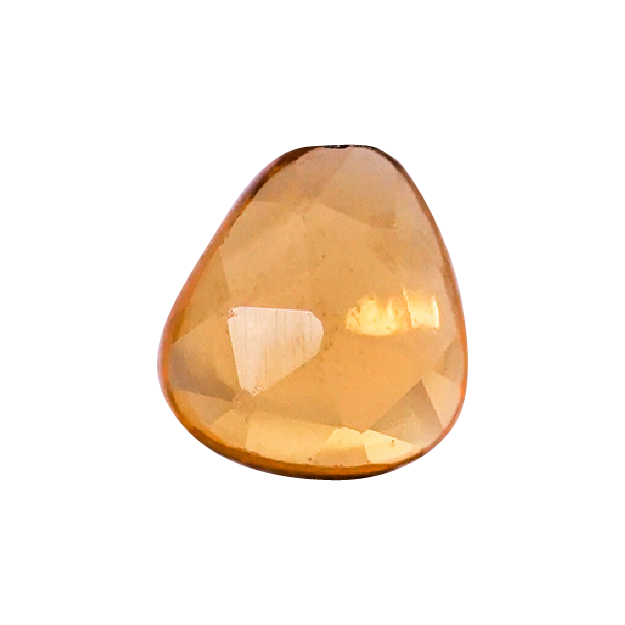
Rare joy, passion, creativity.
Let’s talk about pure color play. The shade of your sapphire can look wildly different depending on the gold you choose. Here’s how to get creative.
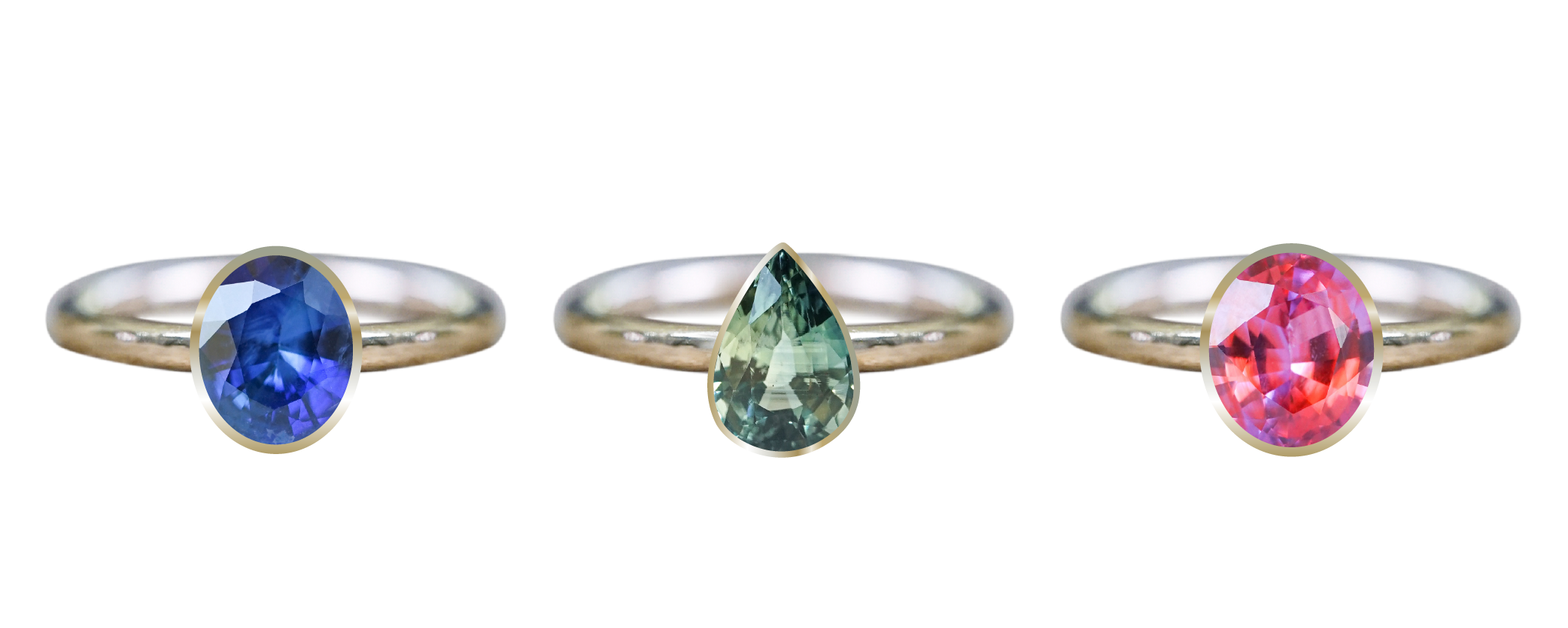
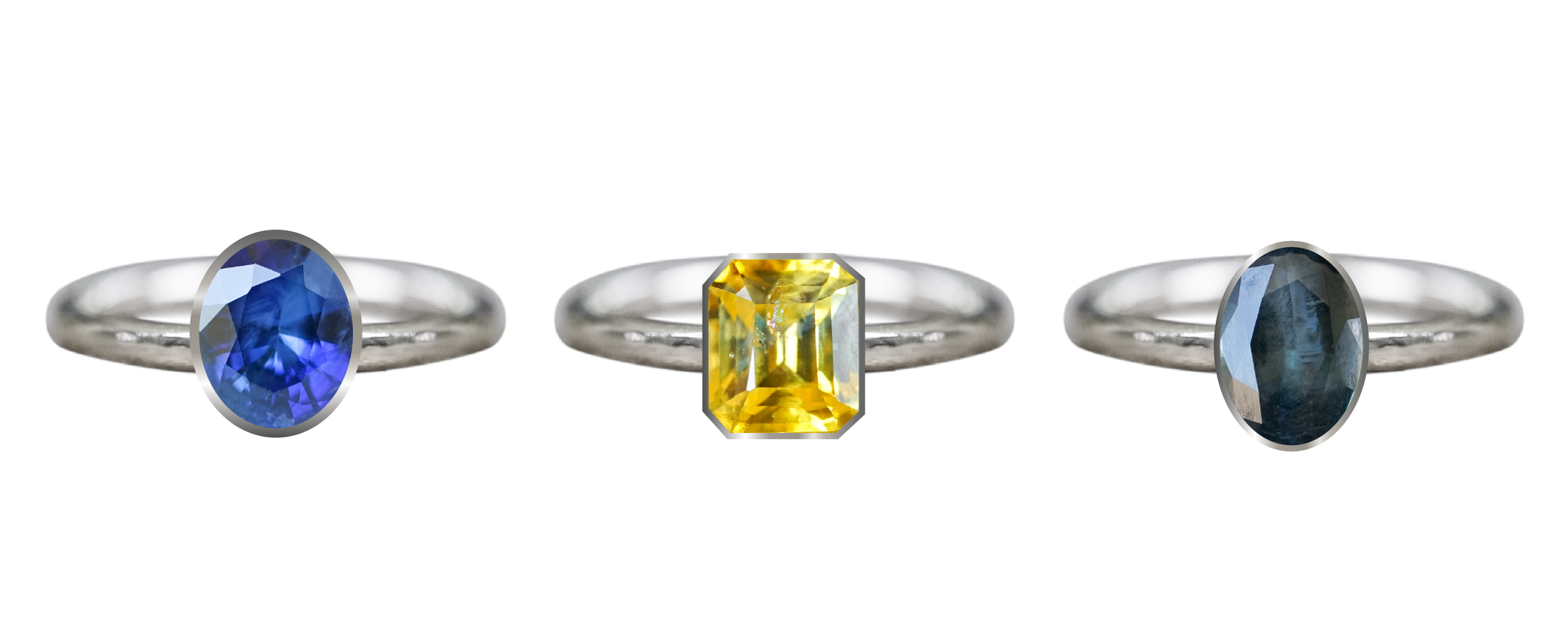
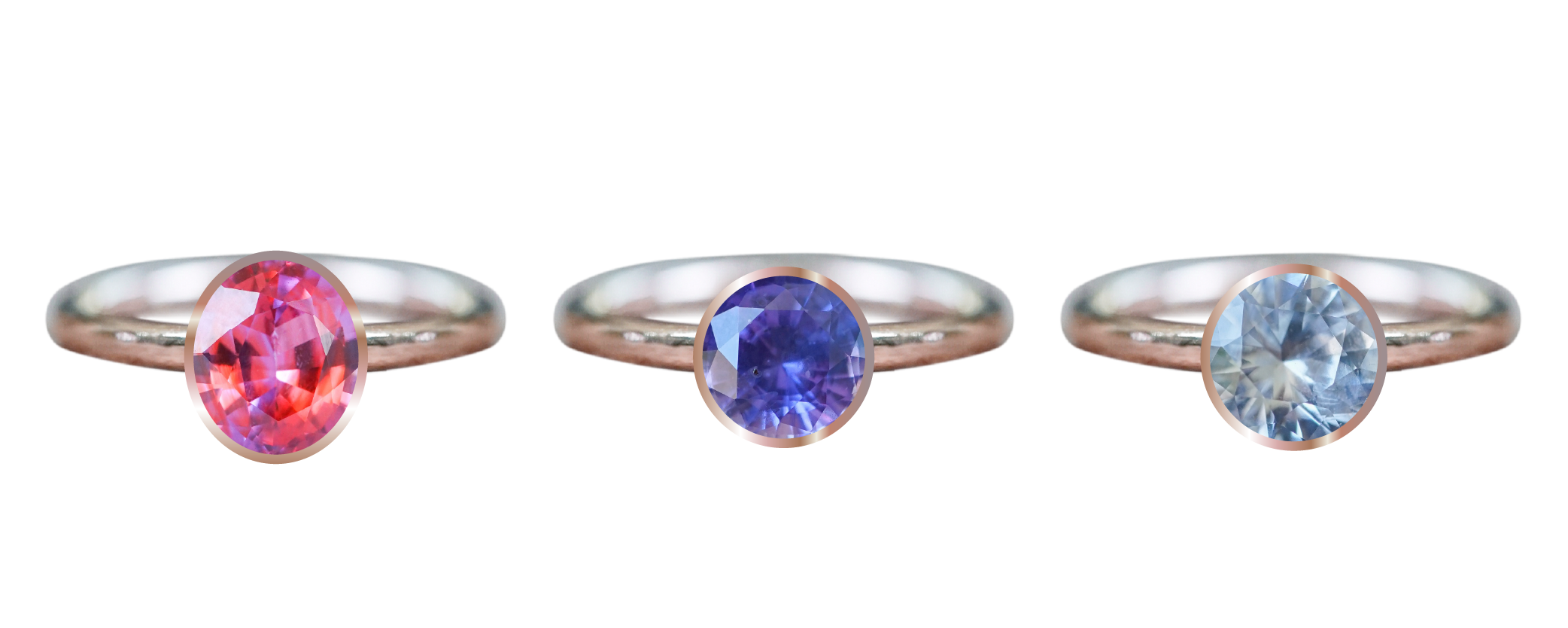
Some shades will feel subtle, others, punchy. That’s the beauty of custom jewelry. You choose the combination that feels most like you. (And if you want to see side-by-sides? We’re happy to play matchmaker in our Bali studio.)
Sapphires offered in Gardens of the Sun jewelry are traceable, often sourced from places we know and love. Every stone comes with its own story, quirks and ethical origins.
We love sapphires with personality: bicolor, silky, banded, even a little wonky. We believe in jewelry that’s honest, and we’ll always tell you if your gem has received any treatments.
Want a one of a kind sapphire? Our design team loves to source and set unique stones you won’t find anywhere else. If you want the classic blue sapphire, we’ve got those too, but we’ll also show you green sapphires, teals and wild multicolor stones that make you feel like you just discovered a new planet.
Ready to find your sapphire?
Explore our sapphire birthstone jewelry, browse our custom sapphire engagement rings, or reach out to dream up a piece together.